
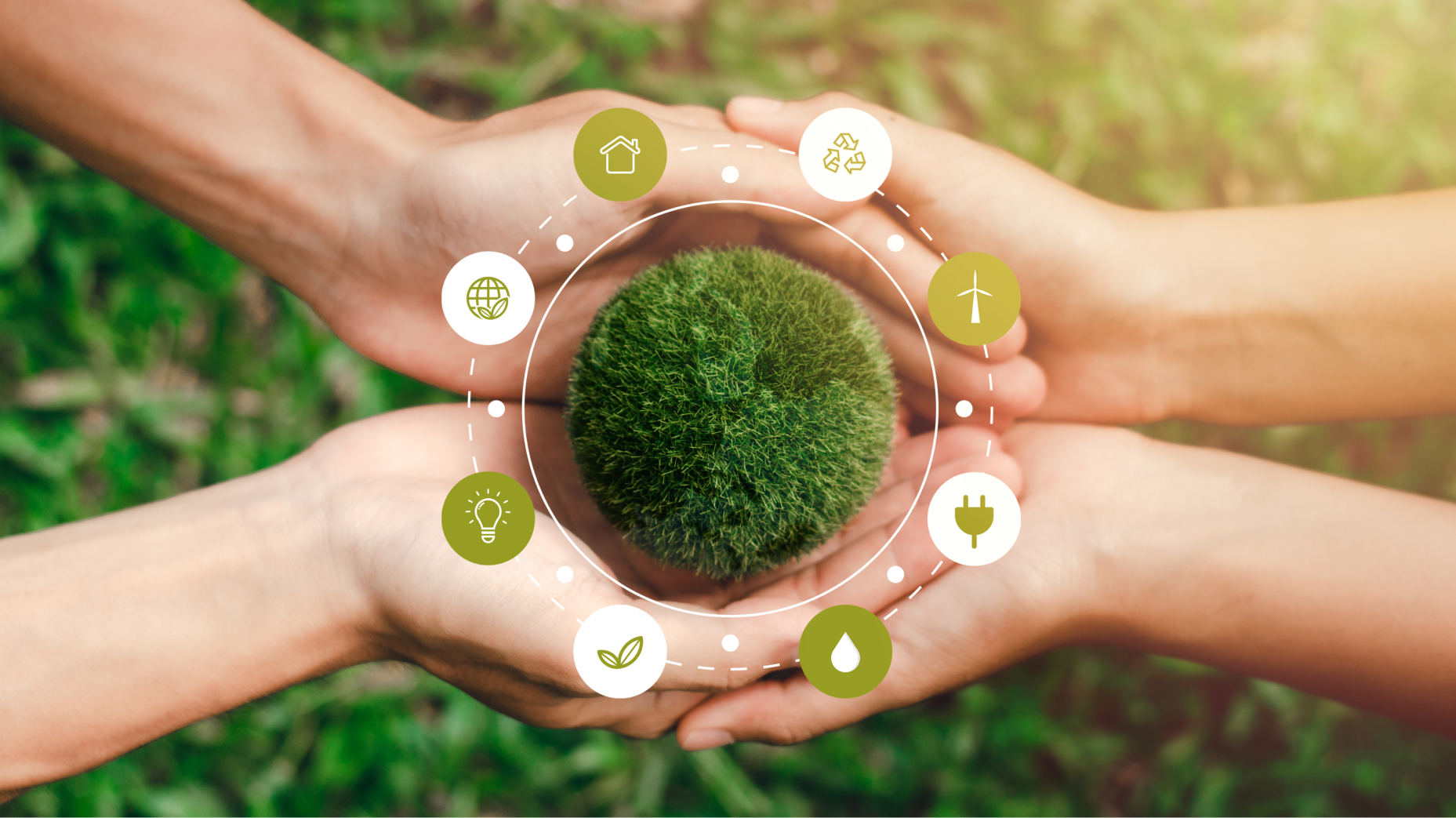
Why Future Living Needs to Be Eco-Conscious
In 2025, the push for eco-friendly lifestyle choices has never been stronger. Climate change, resource depletion, and rapid urbanization have made sustainable living not just a trend, but a necessity. Consumers, governments, and tech innovators are pivoting toward green technology, carbon footprint reduction, and renewable energy solutions to ensure our lifestyles remain viable for the generations to come.
Whether you’re designing a smart home, reducing daily waste, or switching to clean energy, future-proof living is about integrating long-term sustainability into everyday choices. This guide will show you how to align with the latest green living trends and lead a lifestyle that’s both modern and eco-conscious.
The Rise of Eco-Friendly Lifestyles in 2025
What Is an Eco-Friendly Lifestyle?
An eco-friendly lifestyle involves making conscious decisions that reduce your environmental impact. It means adopting sustainable living tips that range from switching to reusable products to embracing minimalist eco living.
Living this way doesn’t require a drastic overhaul overnight—it’s about building habits that prioritize sustainability.
Why It Matters Now More Than Ever
From the melting ice caps to wildfires and rising global temperatures, the consequences of inaction are no longer distant possibilities—they’re our current reality. Governments across the globe are introducing stricter environmental regulations, but the biggest changes happen when individuals and businesses commit to climate-conscious habits.
Smart Eco Homes: The Intersection of Tech and Sustainability
How Green Technology for Homes Is Evolving
One of the cornerstones of eco & future living in 2025 is the rise of smart eco homes. These are homes that integrate green technology, IoT devices, and automation to minimize energy usage while maximizing comfort.
Examples of green home tech include:
- Smart thermostats that learn your routine and adjust temperatures accordingly.
- Solar panel systems with smart inverters for maximum efficiency.
- Greywater recycling systems to reuse water for toilets and gardening.
- Automated lighting and appliances that reduce electricity consumption.
These technologies not only support energy-efficient homes but also save money on utilities in the long run.
Energy-Efficient Homes: Features That Matter
When constructing or renovating a home, future-focused homeowners now prioritize:
- Insulated walls and windows for minimal energy loss.
- LED lighting and motion sensors for smart illumination.
- Energy Star-rated appliances to minimize electricity usage.
- Passive solar design that uses the sun’s angle for heating and lighting.
All these features align with future-ready eco communities being built across the globe, especially in urban settings.
Renewable Energy Solutions: Powering a Cleaner Future
Solar, Wind, and Beyond
The future of power lies in renewable energy solutions. These are clean, abundant, and increasingly accessible energy sources that help in carbon footprint reduction.
Key technologies include:
- Solar panels for residential and commercial use.
- Wind turbines—even smaller, home versions.
- Geothermal heating systems that draw energy from the earth.
- Battery storage systems to hold excess energy for later use.
In 2025, governments offer subsidies and tax incentives to encourage the use of these green energy solutions.
Integrating Renewable Energy Into Everyday Living
Making the switch is easier than ever:
- Install rooftop solar panels with smart meters.
- Use solar water heaters for bathing and cleaning.
- Choose utility providers offering green electricity plans.
- Offset travel emissions by supporting renewable energy projects.
This level of integration ensures your lifestyle aligns with eco & future living values.
Zero Waste Lifestyle: Rethinking Consumption in 2025
The Zero Waste Philosophy
Zero waste doesn’t mean producing no waste—it means striving to reduce waste to a minimum by rethinking what we consume. The idea is to design systems where all materials can be reused, recycled, or composted.
How to Start Living a Zero Waste Lifestyle
Here are realistic and effective steps:
- Refuse unnecessary plastic and packaging.
- Reduce consumption of single-use items.
- Reuse containers, bags, and clothing.
- Recycle only as a last resort, and do it correctly.
- Rot—compost food scraps and organic matter.
By doing so, you’re contributing to urban sustainability and ensuring your consumption has less environmental impact.
Green Living Trends Redefining Everyday Choices
Sustainable Fashion
Fast fashion is out—sustainable fashion is in. Brands in 2025 are using recycled materials, ethical labor, and long-lasting designs to reduce fashion waste.
Tips to follow:
- Shop from ethical clothing brands.
- Buy second-hand or vintage.
- Choose timeless, versatile pieces over trends.
Eco-Friendly Transportation
From e-bikes to EVs and better public transport, transportation is becoming more carbon-neutral.
What you can do:
- Switch to an electric vehicle or hybrid.
- Use public transit, walk, or bike more often.
- Offset emissions from air travel by supporting reforestation projects.
Green Eating Habits
The food industry is a major polluter. In 2025, more people are switching to plant-based diets, buying local, and cutting food waste.
- Support local farms and farmers’ markets.
- Reduce meat consumption.
- Use meal planning apps to avoid overbuying.
These shifts contribute significantly to carbon footprint reduction and align with a climate-conscious lifestyle.
Minimalist Eco Living: Less Is Truly More
What Is Minimalist Eco Living?
This lifestyle focuses on owning less and living more mindfully. Instead of cluttering your space with things, you fill it with value, functionality, and peace.
Benefits of Minimalism in Future-Proof Living
- Reduces waste and consumption
- Makes cleaning and organizing easier
- Promotes mental well-being
- Saves money
Minimalism pairs beautifully with sustainability, making it easier to live in energy-efficient homes that are both practical and peaceful.
Urban Sustainability and Future-Ready Communities
Designing Cities for the Future
Urban areas are embracing urban sustainability through:
- Green buildings with eco-certifications
- Vertical gardens and rooftop farms
- Smart transportation systems
- Community solar projects
- Walkable city layouts
These future-ready eco communities are being designed to reduce emissions, foster social connection, and build resilience.
What You Can Do in Your Community
- Advocate for green public spaces.
- Support local clean energy projects.
- Participate in neighborhood clean-ups and tree-planting drives.
- Educate others about sustainable living tips.
Climate-Conscious Habits for a Better Tomorrow
Small Actions, Big Impact
Even small, daily actions can make a difference. In 2025, people are adopting:
- Mindful water use: shorter showers, low-flow taps.
- Plastic reduction: using reusable containers, bottles, and bags.
- Digital minimalism: reducing unnecessary screen time and power consumption.
When done consistently, these climate-conscious habits contribute to large-scale impact and help build a future that’s livable for all.
Conclusion: Embracing Eco & Future Living Today
Living sustainably in 2025 isn’t just a goal—it’s a responsibility. By embracing eco-friendly lifestyles, adopting green technology, and making smarter daily decisions, we all play a role in shaping the future.
Whether you’re starting with small changes like reducing single-use plastics or making bigger moves like transitioning to renewable energy solutions, every step you take brings us closer to a healthier planet.
Eco & future living is about alignment: with nature, with community, and with the long-term well-being of our world. The future is now—let’s build it better, together.