
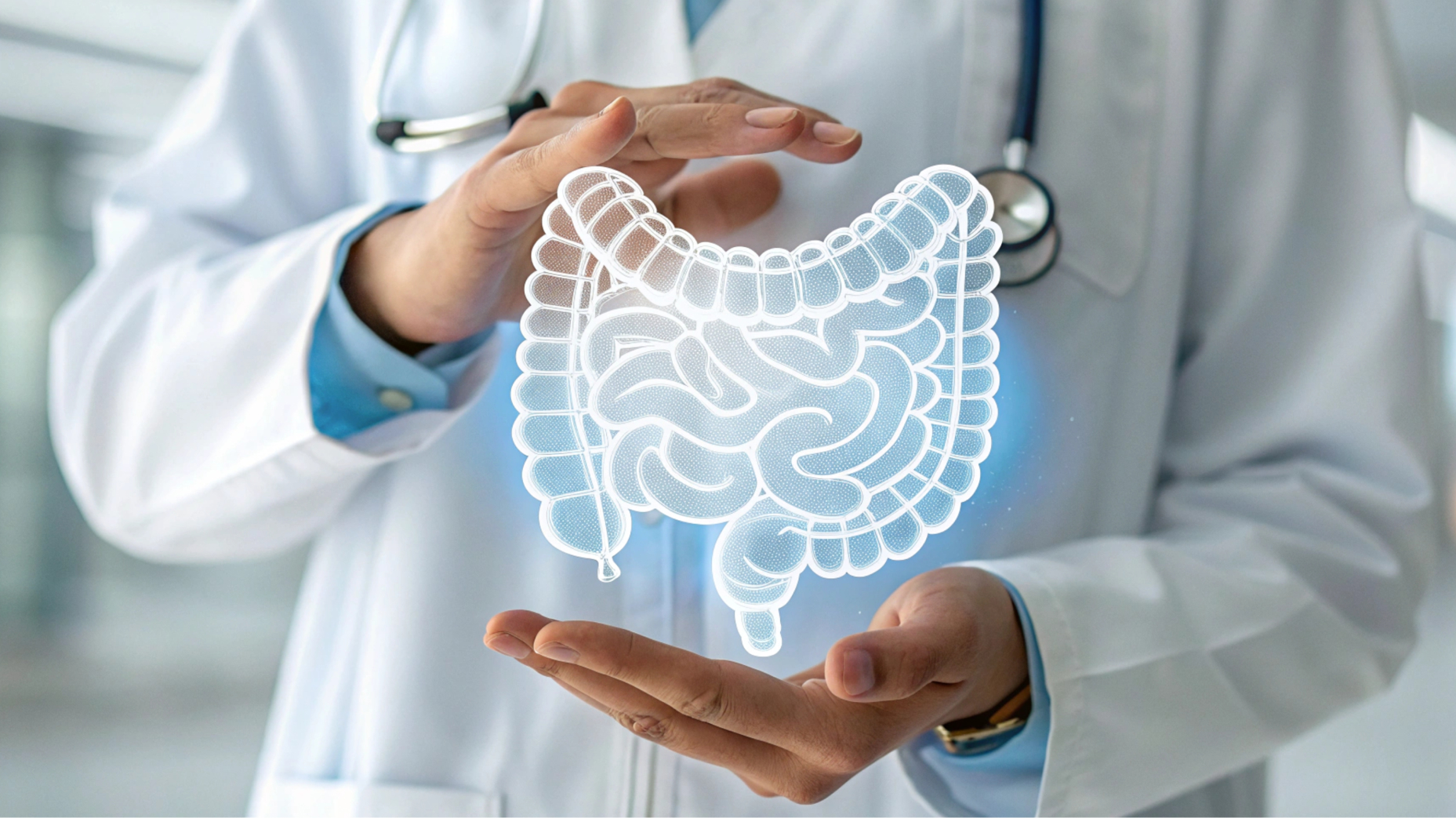
When it comes to your overall wellness, one of the most powerful yet often overlooked areas of health lies within your gut. Your gut health doesn’t just determine how well you digest food—it impacts immunity, energy, mood, and even your skin. A thriving gut microbiome is like a superpower for your body, influencing systems from digestion to mental clarity.
In this comprehensive guide, we’ll explore the science of your microbiome health, explain why a healthy gut is the foundation of total well-being, and give you practical steps to improve gut health through food, lifestyle, and mindful choices. Whether you’re curious about the best foods for gut health, considering gut health supplements, or simply looking for natural ways to improve gut health, this guide has everything you need.
What Exactly Is Gut Health?
Your gut is home to trillions of microorganisms—bacteria, fungi, viruses, and other microbes—that collectively form what’s known as the gut microbiome. These microorganisms are not harmful; in fact, they perform crucial functions. They help digest food, absorb nutrients, regulate metabolism, and even produce vitamins.
A healthy gut means your microbiome is diverse and balanced, with plenty of beneficial bacteria working together to protect your digestive system. On the other hand, an imbalance—known as dysbiosis—can lead to digestive problems, inflammation, low energy, and more serious conditions.
The importance of microbiome health extends far beyond digestion. Studies show strong links between gut bacteria and heart health, hormone regulation, and the brain. When people ask about the benefits of gut health, the answer is simple: nearly every part of your body functions better when your gut is thriving.
Why Gut Health Is Central to Well-Being
The gut is sometimes called the body’s “second brain.” It’s connected to your nervous system and immune system, meaning it plays a role in everything from mood to immunity.
1. Gut Health and Immune System
About 70% of your immune cells reside in your gut. A strong gut health and immune system connection means your body is better equipped to fight infections and respond to threats. If your microbiome is weak or unbalanced, your immunity may struggle, leaving you prone to illness.
2. Gut Health and Mental Health
The gut produces neurotransmitters like serotonin, often referred to as the “happy hormone.” This explains the close link between gut health and mental health. When your gut bacteria are balanced, you’re more likely to experience better moods, less anxiety, and improved focus.
3. Gut-Brain Connection
Scientists describe the gut-brain connection as a two-way communication system. Signals travel between your gut and brain through the vagus nerve, meaning digestive distress can influence mood, and stress can disrupt digestion.
Signs of Poor Gut Health
Sometimes it’s obvious when your gut is struggling, but other times the symptoms are subtle. Common signs of poor gut health include:
- Bloating, gas, or indigestion
- Food intolerances
- Fatigue or brain fog
- Skin issues like acne or eczema
- Weakened immunity
- Mood swings or irritability
Recognizing these early signals can help you take steps to improve gut health before bigger issues arise.
Best Foods for Gut Health
Diet is one of the most powerful ways to build a healthy gut. The best foods for gut health contain fiber, probiotics, and prebiotics that feed good bacteria and support microbial diversity.
Fiber-Rich Foods
Fiber feeds the beneficial bacteria in your gut. Whole grains, legumes, vegetables, and fruits are staples of a gut health diet.
Probiotic-Rich Foods
Fermented foods like yogurt, kefir, sauerkraut, kimchi, and miso introduce live beneficial bacteria into your gut. Many people also take probiotics for gut health as supplements to boost diversity.
Prebiotic-Rich Foods
Prebiotics are the fibers that feed probiotics. Foods like garlic, onions, leeks, asparagus, and bananas are excellent sources of prebiotics for gut health.
Polyphenol-Rich Foods
Dark chocolate, green tea, berries, and olive oil contain polyphenols that act as fuel for good gut bacteria.
Gut Health Diet: Building a Sustainable Routine
A gut health diet doesn’t need to be complicated. It’s about consistently eating foods that nourish your microbiome. A sample gut health lifestyle meal plan might include:
- Breakfast: Oatmeal topped with berries, chia seeds, and Greek yogurt
- Lunch: Quinoa salad with chickpeas, leafy greens, and olive oil
- Snack: Apple slices with almond butter
- Dinner: Grilled salmon with roasted vegetables and sauerkraut on the side
By prioritizing diverse, whole foods, you naturally improve gut health and build long-term resilience.
Gut Health Supplements: Do You Need Them?
While food should always be the foundation of a healthy gut, some people find gut health supplements helpful. These include:
- Probiotics – Support microbial diversity
- Prebiotics – Feed beneficial bacteria
- Digestive enzymes – Aid in breaking down food
- Collagen or L-glutamine – Support gut lining integrity
Supplements should not replace food, but they can enhance your gut health lifestyle changes, especially if your diet is limited or you’re recovering from antibiotics.
Natural Ways to Improve Gut Health
If you want to boost your microbiome naturally, here are natural ways to improve gut health without relying solely on supplements:
- Eat more whole, plant-based foods
- Stay hydrated to aid digestion
- Exercise regularly to support microbial balance
- Get enough sleep to regulate gut-brain communication
- Manage stress with meditation, yoga, or deep breathing
These simple gut health tips and tricks go a long way toward creating balance in your system.
How to Improve Gut Microbiome Step by Step
Many people ask, “What are the best ways for how to improve gut microbiome health?” Here’s a roadmap:
- Cut Back on Processed Foods – Refined sugar and additives feed harmful bacteria.
- Incorporate Fermented Foods – Add yogurt or sauerkraut daily.
- Eat the Rainbow – Diverse plant foods mean diverse bacteria.
- Prioritize Sleep – A rested body supports stronger digestion.
- Avoid Overuse of Antibiotics – These can wipe out beneficial bacteria.
By following these steps, you’ll naturally strengthen microbiome health and set the foundation for lifelong wellness.
Gut Health Tips and Tricks for Everyday Living
Improving your gut doesn’t have to be overwhelming. Here are some everyday gut health tips and tricks:
- Swap soda for sparkling water with lemon
- Add flax or chia seeds to smoothies for extra fiber
- Replace refined carbs with whole grains
- Snack on nuts instead of processed chips
- Take short walks after meals to improve digestion
These small, consistent changes lead to big improvements in your gut health lifestyle.
Benefits of Gut Health
The benefits of gut health extend into every area of life. With a balanced microbiome, you may notice:
- Stronger immunity and fewer colds
- Better digestion and less bloating
- More energy throughout the day
- Clearer skin and reduced inflammation
- Improved mood and mental clarity
This is why many health professionals say that caring for your gut is one of the best long-term investments you can make in yourself.
Gut Health Lifestyle Changes
Lasting results come from consistent gut health lifestyle changes, not quick fixes. Some examples include:
- Cooking at home with whole ingredients
- Setting regular meal times to support digestion
- Practicing mindfulness while eating to avoid overeating
- Reducing stress through hobbies, exercise, and relaxation
- Staying active daily for circulation and gut mobility
The goal isn’t perfection—it’s creating habits that nurture your healthy gut every day.
The Role of Probiotics and Prebiotics
Both probiotics for gut health and prebiotics for gut health are essential for a flourishing microbiome. Think of probiotics as the seeds of a garden and prebiotics as the fertilizer. Together, they build resilience and improve long-term microbiome health.
Putting It All Together: Your Gut Health Roadmap
Caring for your gut is not a one-time project—it’s a lifelong journey. Start with the basics: eat the best foods for gut health, consider gut health supplements if necessary, follow a balanced gut health diet, and make gradual gut health lifestyle changes. Along the way, listen to your body. Notice the signs of poor gut health and use them as feedback. Apply practical gut health tips and tricks to stay consistent.
Final Thoughts
Your gut isn’t just about digestion—it’s the command center for your overall wellness. From the gut-brain connection to the gut health and immune system, the state of your microbiome impacts nearly every part of your life.
By focusing on natural ways to improve gut health, eating the best foods for gut health, and supporting yourself with gut health supplements if needed, you create the conditions for lasting vitality. A healthy gut equals a healthier, happier you.
When you commit to improving your gut microbiome, you’re investing in better energy, stronger immunity, and emotional balance. Start today, and let your microbiome work its magic on your well-being.
Explore More Stories That Inspire
At LapaStory, we bring you engaging articles on travel, lifestyle, technology, wellness, business, and more. Whether you’re seeking tips, trends, or fresh perspectives, there’s always something new to discover.
👉 Get in touch with us today and let’s connect.