
The Evolution of Internet Culture: How Memes, Trends, and Communities Shape Society
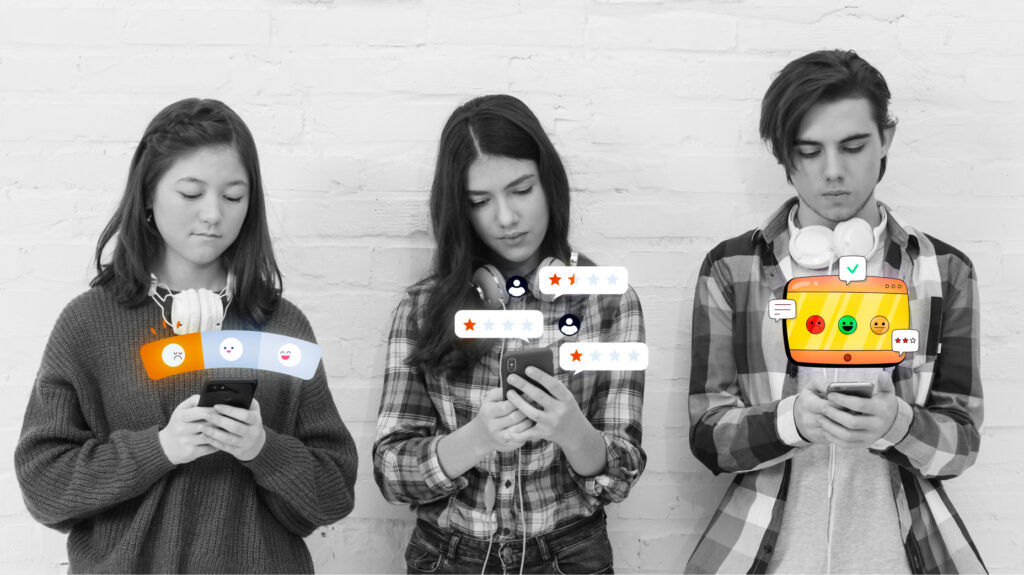
Introduction to Internet Culture: The Digital Revolution Internet culture, also known as digital culture, has undergone significant transformation over the past two decades. What was once limited to basic communication and information sharing has now evolved into a vibrant and dynamic space that shapes society in profound ways. From memes to viral trends and online communities, the influence of the internet on culture is undeniable. Today, internet culture is not just a niche interest—it is a driving force in shaping how we communicate, entertain ourselves, and even how we form identities. Social media platforms like Twitter, TikTok, Reddit, and Instagram have become the breeding grounds for the latest memes, viral trends, and online communities, transforming the way we view modern society and culture. What Is Internet Culture? Internet culture refers to the values, trends, behaviors, and language that emerge from the collective actions of online communities. It involves how people interact with each other, share content, and express their identities online. Key Aspects of Internet Culture In 2025, internet culture continues to expand, with memes, trends, and online communities acting as cultural touchstones for younger generations, who now make up a substantial portion of the internet’s user base. How Memes Have Shaped Modern Culture Memes are perhaps the most defining feature of internet culture. They are the language of the digital world, evolving rapidly and taking on new forms. Memes are more than just jokes—they offer a reflection of societal norms, political views, and social behavior. Memes as a Cultural Phenomenon The viral spread of memes across social media platforms demonstrates their ability to transcend geographic, cultural, and linguistic boundaries, making them a universal form of digital expression. The Role of Viral Trends in Shaping Society A viral trend is an event, challenge, or activity that gains immense popularity in a short time across social media. These trends often go beyond the digital world and influence real-world behaviors and attitudes. How Viral Trends Influence Culture In 2025, viral trends continue to hold power over global audiences, with new trends surfacing regularly, changing the way society interacts and communicates. Online Communities: The Backbone of Internet Culture While memes and viral trends may capture the attention of the masses, online communities are the glue that holds internet culture together. These communities provide a space for individuals to connect over shared interests, find like-minded people, and even influence the direction of broader cultural trends. The Rise of Niche Online Communities Platforms like Reddit, Discord, and niche forums have enabled online communities to flourish. These communities are often organized around specific interests such as gaming, technology, fashion, or even social activism. The power of these communities lies in their ability to cultivate deep connections among members and create a sense of belonging. In 2025, online communities continue to evolve, growing in influence and reshaping how people interact with each other, often fostering niche cultures that challenge mainstream trends. The Impact of Internet Subcultures on Society Internet subcultures are smaller, often rebellious communities that challenge traditional societal norms. These subcultures are typically centered around shared values, unique styles, or alternative lifestyles. Examples of Internet Subcultures These subcultures, which thrive on the internet, are often instrumental in pushing the boundaries of society, whether through fashion, philosophy, or activism. How Memes, Trends, and Communities Affect Our Identity One of the most profound impacts of internet culture is how it influences personal and collective identity. People, especially younger generations, are increasingly shaping their identities through their interactions in online communities, participation in viral trends, and creation or sharing of memes. Digital Identity and Self-Expression As we move further into 2025, the digital world will continue to blur the lines between real and virtual identities, with memes, trends, and online communities playing an integral role in shaping how we define ourselves. The Future of Internet Culture in 2025 and Beyond Looking ahead, internet culture will continue to evolve. As technology advances and new platforms emerge, we can expect even more dynamic and far-reaching shifts in how memes, trends, and online communities influence society. Emerging Trends in Internet Culture In 2025, internet culture will continue to be a driving force in shaping social norms, behaviors, and cultural trends worldwide. Conclusion: Embracing the Digital Future of Culture The evolution of internet culture is a testament to the transformative power of memes, viral trends, and online communities. As we move into 2025, internet culture will only continue to grow in influence, shaping how we communicate, create, and relate to one another. By understanding and participating in internet culture, individuals and organizations can harness its power to influence and shape the world in profound ways.
Unlocking Vibrant Health: Proven Wellness Habits for a Balanced Life in 2025

Understanding the New Meaning of Wellness in 2025 Wellness in 2025 is no longer about restrictive diets or fleeting workout trends. It represents a holistic, balanced approach to mental, physical, emotional, and spiritual health. Driven by technology, cultural shifts, and a renewed focus on prevention, wellness has become personalized and data-driven. People now value: This shift has led to the adoption of wellness habits for a healthy lifestyle, with people actively creating routines that nourish every part of themselves. Why Consistent Wellness Habits Matter More Than Ever Consistency is the real superpower when it comes to health. While trends come and go, daily, repeatable actions create long-term results. Small changes build momentum. Incorporating daily habits for mental and physical health helps: In short, good habits compound, allowing you to improve wellness naturally over time and live more vibrantly. Structuring the Best Morning Routine for Health Your morning determines your momentum. That’s why having the best morning routine for health can help align your energy, mood, and focus. Core elements of a high-performance wellness morning: A consistent routine gives structure to your day while enhancing both physical and mental wellness. Holistic Nutrition for Daily Vitality In 2025, food is recognized not only as fuel but also as medicine. A healthy lifestyle includes being conscious of what we eat and how we eat. Key holistic wellness habits around nutrition: These practices not only improve digestion and energy but also elevate mood and mental clarity. Building Emotional Intelligence and Mental Resilience Your emotional health is the bedrock of long-term wellness. Emotional resilience allows you to adapt to stress, communicate clearly, and build healthier relationships. Effective daily habits for mental and physical health include: As you strengthen your emotional muscles, you gain more control over your reactions, decisions, and relationships. Physical Activity as a Daily Wellness Habit Exercise in 2025 is less about aesthetics and more about longevity and vitality. Movement is now seen as essential for mental and physical wellness. Smart ways to move daily: Rather than pushing yourself to extremes, the goal is consistent, joyful movement that supports a long, mobile life. Healthy Sleep Routines for Full Recovery Sleep isn’t optional—it’s essential. Poor sleep affects everything: mood, focus, digestion, metabolism, and immunity. Optimizing your sleep is one of the most underrated balanced life tips. Sleep-enhancing habits: Sleep is where your brain and body recover. Treat it like the cornerstone of your self-care. Managing Digital Wellness in a Tech-Driven World In an always-online society, digital wellness tips for remote workers are critical. Overuse of tech can lead to anxiety, poor sleep, social disconnection, and burnout. Tips for managing your screen life: Being intentional with your digital use creates space for rest, presence, and real-world connection. Self-Care Habits for Busy Professionals When your calendar is packed, you need wellness strategies that don’t take hours. That’s where efficient self-care habits for busy professionals come in. Fast-acting wellness practices: These quick wins compound over time, helping you avoid burnout while maintaining performance. Simple Ways to Improve Wellness Naturally You don’t need a fancy gym or supplement stack to be well. Nature, mindfulness, and rhythm are powerful tools that align with how to improve wellness naturally. Simple wellness boosters: When you align your habits with nature, your energy, immunity, and mood follow suit. Staying Healthy in a Rapidly Changing World Technology, climate changes, and shifting social dynamics make 2025 both exciting and overwhelming. Learning ways to stay healthy in a tech-driven world is now essential. Tips to stay grounded: Modern wellness is about adapting, not just surviving. Flexibility is strength. Creating a Personalized Wellness Blueprint The key to unlocking vibrant health is knowing that your journey will be unique. Rather than copying others, you must explore, tweak, and evolve your own formula. Steps to create your wellness blueprint: Ultimately, wellness is not a destination. It’s a daily decision—a lifestyle. Final Thoughts: Build a Balanced Life One Habit at a Time Wellness in 2025 is about sustainability, personalization, and joy. There’s no one-size-fits-all plan, but the principles remain the same: consistency, mindfulness, movement, and connection. By focusing on proven health tips 2025—like nourishing your body, nurturing your mind, and managing your tech—you’ll create a lifestyle that lasts. Start small. Stay curious. Trust the process. Your most vibrant self is just a few habits away.
Mastering the Digital Lifestyle: Smart Tech, Productivity Hacks & Wellness in 2025
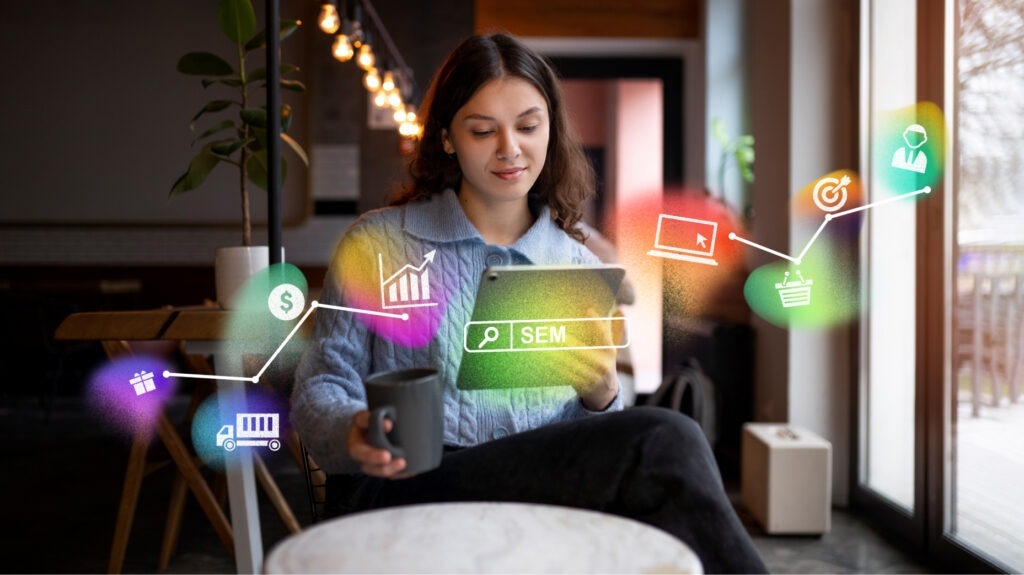
In today’s fast-paced world, embracing a digital lifestyle is no longer optional—it’s essential. From smart technology that simplifies our routines to productivity hacks that enhance efficiency, and digital wellness practices that protect our mental health, 2025 is redefining how we live, work, and thrive. This blog dives deep into the tools, trends, and strategies you need to master your digital lifestyle. What Is a Digital Lifestyle? A digital lifestyle means integrating digital tools, platforms, and smart technology into your everyday life to make tasks easier, boost productivity, and maintain a healthy work-life balance. Whether you’re using smart home gadgets, productivity apps, or wellness trackers, your day-to-day life becomes more efficient, connected, and manageable. The Rise of Smart Technology in 2025 1) Smart Home Gadgets That Simplify Life The smart home of 2025 isn’t a luxury—it’s a standard. From voice assistants like Alexa and Google Home to AI-powered fridges and thermostats, smart home gadgets for everyday life are making homes more intelligent and user-friendly. Top smart home devices: These tools form the core of the best smart home gadgets for everyday life, helping users reduce energy bills, increase security, and enjoy daily convenience. 2) Wearable Smart Tech That Boosts Your Daily Productivity Wearable tech—smartwatches, fitness bands, and even smart glasses—is playing a major role in productivity and health monitoring. These devices now track everything from steps and sleep to stress levels and heart health. Incorporating smart tech that boosts your daily productivity ensures that your health and schedule are always on track. Productivity Hacks for Digital Professionals Digital professionals are constantly seeking ways to get more done in less time. Productivity hacks aren’t just helpful—they’re crucial for staying ahead in 2025. Top Productivity Apps for Digital Professionals By using these top productivity apps for digital professionals, you can organize your workflow, reduce distractions, and improve output. How to Improve Your Digital Lifestyle in 2025 Improving your digital lifestyle involves being intentional with the tools you use and how you use them. Schedule your day using time-blocking, leverage AI-powered productivity assistants, and use remote work digital tools for efficiency like Zoom, Microsoft Teams, and Asana. The Essentials of Remote Work in a Digital World In 2025, remote work isn’t just a trend—it’s the norm. The key is using the right remote work digital tools for efficiency to remain productive and connected. Must-Have Tools for Remote Workers These tools allow teams to collaborate effectively while enjoying the flexibility of location independence. Prioritizing Digital Wellness in 2025 While digital tools are powerful, they can also lead to burnout. That’s where digital wellness comes in—a critical component of maintaining a balanced and sustainable digital lifestyle. Digital Wellness Tips for Remote Workers With more people working remotely, balancing screen time and self-care in 2025 is not just wise—it’s necessary for mental well-being. Creating a Digitally Healthy Routine A healthy digital lifestyle starts with a strong morning routine and habits that promote wellness throughout the day. Creating a Tech-Smart Morning Routine Start your day with: This kind of tech-smart morning routine sets the tone for a balanced, productive day. Digital Habits for Mental Wellness Digital habits play a huge role in mental wellness. Practicing intentional tech use is key. Top Digital Lifestyle Habits for Mental Wellness Implementing digital lifestyle habits for mental wellness improves focus, sleep, and emotional health. Protecting Privacy in a Digital World Living a digital lifestyle means safeguarding your personal data. In 2025, privacy in a digital world is a top concern. Best Practices for Digital Privacy Being proactive with privacy in a digital world protects you from cyber threats and identity theft. Finding a Work-Life Tech Balance Digital overload is real. Achieving a work-life tech balance requires conscious effort and the right boundaries. Tips to Maintain Balance By actively working toward balancing screen time and self-care in 2025, you can reclaim control over your tech use. Digital Lifestyle Trends to Watch in 2025 Stay ahead by keeping an eye on digital lifestyle trends. Here’s what’s hot in 2025: These trends shape the future and will redefine how we interact with technology and each other. Final Thoughts: Embrace the Digital Lifestyle Mastering the digital lifestyle in 2025 isn’t about using more tech—it’s about using smart technology intentionally. With the right tools, productivity hacks, and wellness practices, you can create a digital ecosystem that empowers you—not overwhelms you. Whether you’re upgrading your smart home, refining your digital lifestyle habits for mental wellness, or optimizing your remote work digital tools for efficiency, the future is in your hands.
The Future is Now: Top AI Trends Reshaping 2025
Artificial Intelligence (AI) is no longer a dream of the future—it’s here, a part of our everyday existence and evolving day by day. As the year 2025 unfolds further, AI is not just transforming industries but also how we work, live, and communicate. From healthcare to education, transport to advertising, the newer artificial intelligence trends are opening the gates for a smart future. Here we will be discussing top AI trends to watch out for in 2025, how the world is changing with AI and what business, society, and humanity as a whole can expect. Whether you are an expert in technology, an entrepreneur, or simply interested in the future of artificial intelligence, here is your one-stop guide with all the things you need to know. 1. Generative AI Goes Mainstream One of the most significant AI technologies in 2025 is Generative AI. Made famous by applications such as ChatGPT and Midjourney, generative models now possess serious uses in business, media, and even education. From copywriting in marketing to automated code generation, generative AI is saving time and money while boosting creativity and productivity for businesses. Real-world use cases: 2. Explainable AI (XAI) and Ethical AI Development As computer science develops increasingly powerful AI technology, understanding how and why AI decides things is imperative. This has birthed Explainable AI (XAI) — technology that makes AI decision-making transparent and accountable. In domains such as finance, healthcare, and criminal justice, where AI has serious implications, transparency is not nice — it’s mandatory. Also, there is growing momentum towards ethically developing AI, in the sense that AI models are fair, unbiased, and inclusive. Key aspects: 3. AI in Transportation and Autonomous Vehicles The era of autonomous is gaining momentum at breakneck speed. Tesla, Waymo, and Apple are developing autonomous driving technologies, driven by AI-based systems that enhance navigation, security, and car performance. By 2025, AI in transport is no longer autonomous cars. Smart logistics, efficient public transport, and traffic management are all employing machine learning and predictive algorithms. Real-world applications: 4. Healthcare AI: Diagnosis, Drug Discovery & Personalization Healthcare AI is still transforming patient care in 2025. From AI-augmented diagnoses through image recognition to drug discovery with predictive models, the healthcare industry is experiencing a revolution like never before. Hospitals are also using AI to personalize treatment plans based on patient data, genetic data, and lifestyle. Innovative applications: 5. AI and the Future of Work The AI and the future of the job market are both promising and intimidating. As automation is replacing some routine tasks, AI is also generating new jobs, particularly in the areas of data science, AI ethics, and human-AI interaction. In 2025, AI is transforming the workplace: But here’s the good news: human judgment, empathy, and creativity cannot be imitated. The future is in human hands in collaboration with machines, not competition. 6. AI education: Virtual teaching and personalized education AI in education is becoming increasingly personalized and interactive. Virtual AI tutors, real-time performance feedback, and adaptive learning pathways are enhancing student learning. Whether a student is preparing for a test or an adult is learning a new ability, AI-based platforms offer personalized learning like never before. Examples: 7. AI-Based Cybersecurity With increasingly sophisticated cyber attacks, AI plays an increasingly critical role in enhancing cybersecurity. Organisations in 2025 are using AI to detect anomalies, to prevent breaches, and to react in real-time to attacks. Top AI cybersecurity trends are: 8. AI in Customer Experience and E-Commerce From personalized product suggestions to AI-powered customer support, e-commerce has gone all out with artificial intelligence in 2025. Companies employ AI to understand user behavior, anticipate purchase intent, and enhance the customer experience. Chatbots are now human-like, and voice search is booming — and it’s all thanks to AI-based systems. Significant changes: 9. AI in Creativity: Music, Art, and Writing 2025 has demonstrated that AI isn’t just rational — it’s innovative. AI programs are composing symphonies, authoring books, and painting artwork that’s selling in art galleries. While others believe that AI may replace human artists, others believe that AI is a collaborative resource that offers fresh ways of expressing oneself. Examples: 10. AI and Social Good and Sustainability Artificial intelligence is also making waves in addressing global issues. From hunger to global warming, social good AI is the most uplifting trend in 2025. How AI is helping: