
Introduction
Raigad Fort, nestled in the rugged Sahyadri mountain range, is one of the most iconic and historically significant forts in India. Perched at an altitude of 2,700 feet above sea level, this grand fortress was once the proud capital of Chhatrapati Shivaji Maharaj’s Maratha Empire. Today, it stands as a symbol of Maratha glory, architectural brilliance, and a reminder of the legendary leadership of Shivaji Maharaj.
Whether you’re a history enthusiast, a trekking lover, or a traveler exploring historical forts in Maharashtra, Raigad Fort offers an unforgettable experience. In this blog, we’ll dive into Raigad Fort history, its fascinating architecture, trekking routes, ropeway access, travel information, and the best tips to plan your visit.
Raigad Fort History: The Pride of the Marathas
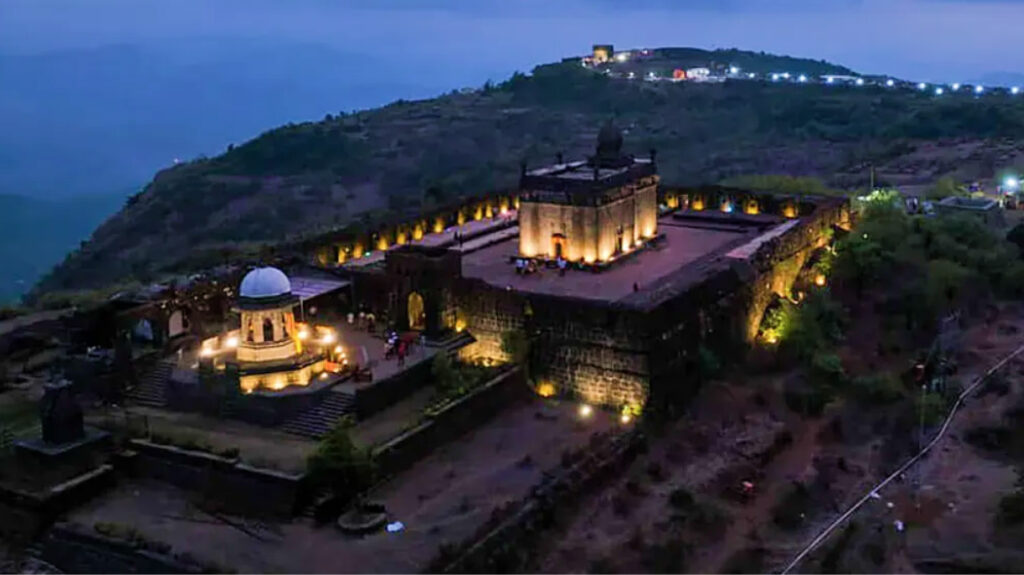
The Raigad Fort history is deeply connected to the rise of the Maratha Empire. Originally known as Rairi Fort, it was captured by Shivaji Maharaj in 1656 from the Chandrarao More dynasty. Recognizing its strategic location and natural defenses, Shivaji transformed it into his capital.
In 1674, the fort became the coronation site of Chhatrapati Shivaji Maharaj, where he was formally crowned as the king of the Marathas. This event marked the foundation of a powerful empire that challenged the Mughal rule in India. The fort was not just a military stronghold but also a cultural and administrative hub.
However, after the death of Shivaji in 1680, the fort fell into Mughal hands under Aurangzeb’s forces. Later, the British also occupied it, leading to gradual decline. Despite centuries of wear, the ruins still narrate the legendary Raigad Fort history, making it a revered site for Indians.
Raigad Fort Architecture: A Blend of Strength and Royalty
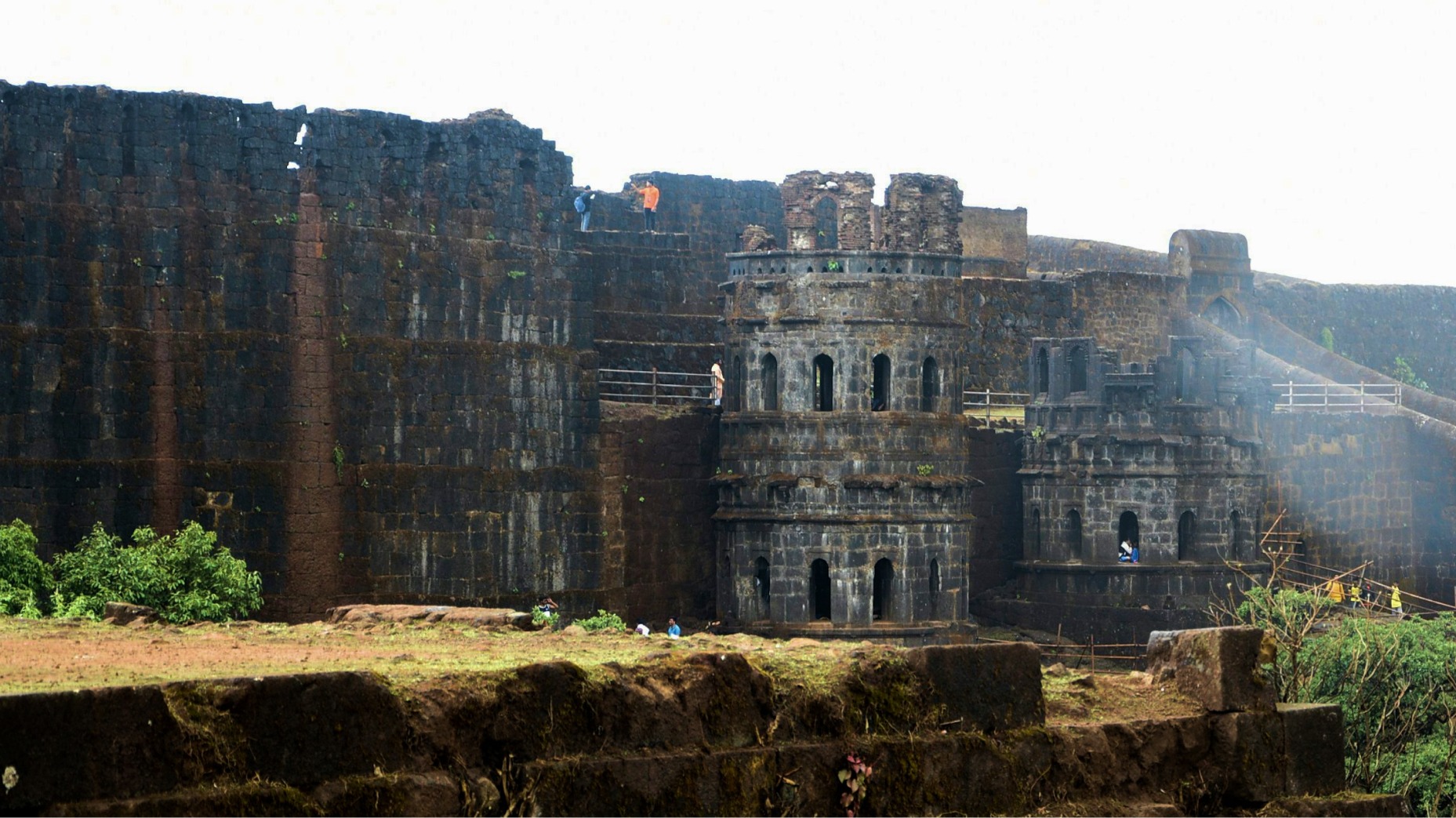
The Raigad Fort architecture showcases both military strength and royal elegance. Spread across a large plateau, the fort features thick stone walls, strategic gateways, water reservoirs, and remains of palaces.
Key Highlights of Raigad Fort Architecture:
- Maha Darwaja – The massive main gate that welcomed warriors and dignitaries.
- Takmak Tok – A cliff used as an execution point, offering breathtaking views today.
- Raj Bhavan (Royal Palace) – Once the residence of Shivaji Maharaj, now in ruins but still echoing royal grandeur.
- Bazaar Peth (Market Street) – A planned street where traders sold goods to soldiers and residents.
- Ganga Sagar Lake – An artificial lake built to ensure water supply within the fort.
- Samadhi of Shivaji Maharaj – The final resting place of the Maratha king, visited by lakhs of devotees annually.
The Raigad Fort architecture is a fine blend of military engineering and cultural design, showcasing the brilliance of Maratha planning.
Raigad Fort Information: Location, Height & Significance
Here’s some quick Raigad Fort information every traveler should know before planning a trip:
| Aspect | Details |
|---|---|
| Location | Raigad District, Maharashtra, India |
| Height | 2,700 feet (820 meters) above sea level |
| Built By | Originally Chandrarao More dynasty, expanded by Shivaji Maharaj |
| Importance | Capital of the Maratha Empire (1674–1680) |
| Entry Fee | ₹25 (Indians), ₹300 (Foreigners) |
| Ropeway Charges | ₹300 (one way), ₹500 (return) approx. |
| Raigad Fort timings | 8:00 AM – 6:00 PM daily |
| Trekking Difficulty | Moderate (around 1,700 steps) |
This Raigad Fort information is helpful for first-time visitors to plan the journey smoothly.
Raigad Fort Trekking: A Journey into the Past
One of the most exciting experiences is Raigad Fort trekking. Adventure seekers from across Maharashtra and beyond visit the fort for this historic trek. The trekking trail involves climbing nearly 1,700 stone steps, offering scenic views of valleys, forests, and mountain landscapes.
While trekking, you’ll come across ancient watchtowers, gateways, and water tanks. The trek usually takes 2–3 hours, depending on pace and weather conditions. For beginners, the Raigad Fort ropeway is a convenient alternative, but trekking enthusiasts love the thrill of walking the same path as Maratha warriors once did.
The Raigad Fort trekking experience is best during the monsoon and winter months, when the lush greenery and misty valleys create magical views.
Raigad Fort Ropeway: A Modern Touch to Ancient History
If trekking is not your preference, the Raigad Fort ropeway is the best way to reach the top. Installed in the early 2000s, this aerial tramway drastically reduces travel time, taking visitors to the fort in just 4–5 minutes.
From the ropeway cabin, you can enjoy panoramic views of the Sahyadri ranges and deep valleys. It’s especially popular among senior citizens, children, and families who want to avoid the physically demanding trek.
The Raigad Fort ropeway is operational daily and aligns with Raigad Fort timings, making it an essential facility for tourists.
Best Time to Visit Raigad Fort
While the fort is accessible year-round, the best time to visit Raigad Fort depends on your preferences:
- Monsoon (June–September): The fort is surrounded by lush greenery, waterfalls, and mist. Ideal for photographers but slippery for trekking.
- Winter (October–February): Pleasant weather, best for trekking and sightseeing.
- Summer (March–May): Hot during the day but less crowded.
Tourists often prefer winter months as the climate is cool and perfect for exploring. If you’re planning cultural tours or Raigad district tourism, festivals like Shivaji Jayanti bring the fort to life with traditional celebrations.
Raigad Fort Timings & Entry Details
Understanding Raigad Fort timings is important to plan your trip efficiently. The fort is open daily from 8:00 AM to 6:00 PM. The ropeway operates within similar timings, though schedules may vary in monsoon due to weather.
The Raigad Fort entry fee is nominal for Indian citizens, while foreign tourists have slightly higher charges. Ropeway tickets are available on-site.
To make the most of your visit, start early in the morning, allowing enough time to explore all major attractions without rushing.
Things to Do in Raigad Fort
When visiting this historic site, there are several things to do in Raigad Fort beyond just sightseeing:
- Explore Shivaji Maharaj’s Samadhi – Pay respects at the memorial of the Maratha king.
- Walk through Market Street – Visualize the bustling trade during Maratha rule.
- Climb Takmak Tok – Enjoy breathtaking valley views.
- Photography – Capture sunrise, sunset, and panoramic landscapes.
- Trekking – Experience the thrill of climbing 1,700 steps.
- Cultural Events – Attend historical reenactments or festivals.
These activities make Raigad more than just a fort—it’s a complete cultural and adventurous journey.
Travel Tips for Visiting Raigad Fort
To ensure a smooth trip, keep these travel tips in mind:
- Wear comfortable trekking shoes if climbing.
- Carry enough water, especially in summer.
- Start early to cover maximum spots within Raigad Fort timings.
- During monsoon, be cautious of slippery steps.
- Use the Raigad Fort ropeway if you want to save time and energy.
- Combine your trip with nearby attractions in Raigad district tourism, like Mahad Ganpati Temple and Jijamata Palace ruins.
Conclusion
Raigad Fort is not just another tourist destination—it is a living symbol of courage, strategy, and Maratha heritage. From its glorious past under Chhatrapati Shivaji Maharaj to its enduring presence as a trekking and cultural hotspot, the fort continues to inspire generations.
Whether you’re drawn to the Raigad Fort history, intrigued by its architecture, or excited about the adventure of trekking and the convenience of the ropeway, Raigad offers something for everyone. If you are exploring historical forts in Maharashtra, this majestic fort deserves a top spot on your list.
A visit here is not just about travel—it’s about reliving history, honoring the Marathas, and experiencing the spirit of Maharashtra.
Explore More Stories That Inspire
At LapaStory, we bring you engaging articles on travel, lifestyle, technology, wellness, business, and more. Whether you’re seeking tips, trends, or fresh perspectives, there’s always something new to discover.
👉 Get in touch with us today and let’s connect.