
In a world where everything moves fast—work, technology, even weekends—travel has also become rushed. Many travelers try to cover as many places as possible in a short time, collecting photos instead of real memories. But there’s a growing movement that encourages the opposite: slow travel. This mindful approach helps you experience more by doing less, allowing you to connect deeply with culture, people, and the world around you.
This slow travel guide explores everything you need to know—from what slow travel really means to the benefits of slow travel, how to practice it, and why it’s becoming one of the most meaningful ways to explore the world. If you’ve ever returned from a trip feeling more exhausted than refreshed, embracing slow travel tips and mindful travel practices might be the transformation you’ve been looking for.
What Is Slow Travel? (A Simple Explanation)
Slow travel is a philosophy that focuses on depth rather than speed. Instead of jumping between multiple cities in a few days, you stay longer in fewer places. Instead of planning every hour, you give your trip room to breathe. Slow travel encourages you to immerse yourself in the local way of life—food, culture, traditions, and daily rhythms.
Slow travel is not about seeing less; it’s about seeing better.
In slow tourism, the goal isn’t to tick off attractions—it’s to build meaningful memories. This approach naturally supports sustainable travel, reduces stress, and makes room for immersive travel experiences that fast itineraries simply cannot provide.
Why the Philosophy of Slow Tourism Matters
The philosophy of slow tourism comes from three core values:
1. Mindfulness
Instead of rushing, you become fully present. You enjoy each moment, whether it’s sipping tea in a small café or watching a sunset without worrying about the next landmark.
2. Environmental Consciousness
Slow travel supports sustainable travel by reducing carbon emissions and promoting responsible tourism.
3. Cultural Respect
By spending more time in one destination, you engage in local travel experiences that honor traditions and help preserve cultural identity.
Fast travel is about movement. Slow travel is about meaning.
Benefits of Slow Travel (Why It’s Worth It)
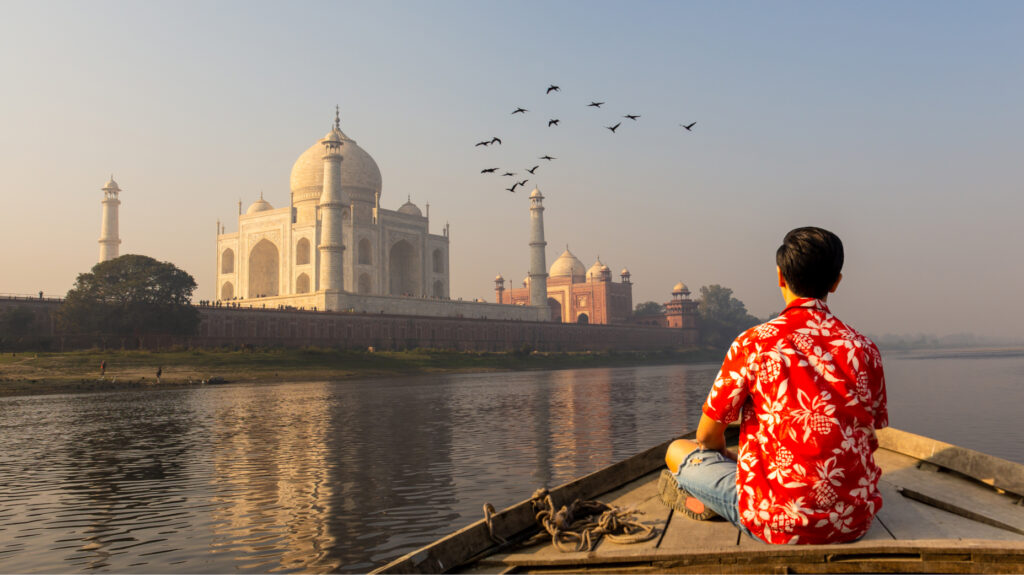
Slow travel offers emotional, environmental, cultural, and personal benefits. Here are the biggest slow travel benefits, each shaped by real experiences and conscious exploration:
1. Deeper Cultural Connections
When you stay long enough to learn local customs, phrases, or routines, you gain an emotional understanding of the place. You build relationships, discover hidden gems, and enjoy immersive travel experiences that no guidebook can offer.
2. Reduced Environmental Impact
Slow travel minimizes flights, encourages walking, cycling, or taking trains, and naturally supports sustainable travel practices. One long stay has a much smaller impact than multiple short trips involving air travel.
3. Improved Mental Well-being
Traveling slower helps reduce stress and anxiety. You feel refreshed instead of tired, because mindful travel gives your mind space to breathe, reflect, and appreciate every experience.
4. Supporting Local Communities
Slow travel encourages you to shop from artisans, stay at family homes, dine at local restaurants, and hire local guides. This strengthens the economy and preserves cultural heritage.
5. More Meaningful Memories
A rushed trip is easy to forget. But when you focus on depth, your memories stay with you. The people you meet, the markets you wander, and the slow walks you take often become life-changing experiences.
Slow Travel vs Fast Travel: What’s the Difference?
To understand slow travel better, here’s a clear comparison:
| Aspect | Slow Travel | Fast Travel |
|---|---|---|
| Pace | Relaxed, mindful | Rushed, pressured |
| Destinations | Few, deeper stays | Many, short visits |
| Experience | Authentic, immersive | Surface-level |
| Learning | High cultural understanding | Minimal |
| Environmental Impact | Low, sustainable | High carbon footprint |
This slow travel guide recommends choosing the deeper path—because travel slower often means living richer.
How to Practice Slow Travel: Practical, Real-Life Tips
Here are simple slow travel tips that you can apply whether your trip lasts three days or three months:
1. Choose Fewer Destinations
Don’t try to see everything. Pick one or two slow travel destinations and allow time for discovery.
2. Travel by Land When Possible
Trains, buses, and even bicycles allow you to enjoy the journey itself. This aligns with sustainable travel and reduces your carbon footprint.
3. Stay With Locals
Homestays and locally run inns offer deeper local travel experiences than chain hotels.
4. Learn the Culture
Even a few phrases or etiquette rules can open doors to unforgettable connections.
5. Leave Space for Unplanned Moments
Slow travel thrives on spontaneity—conversations, walks, markets, and quiet moments.
6. Support Local Businesses
Every purchase is an impact. Choose artisans, local cafés, and community tours.
7. Slow Down Your Daily Rhythm
Spend time enjoying nature, reading at a café, or observing daily life.
With these slow travel tips, you can effortlessly transform your journey into a meaningful experience.
Best Slow Travel Destinations Around the World
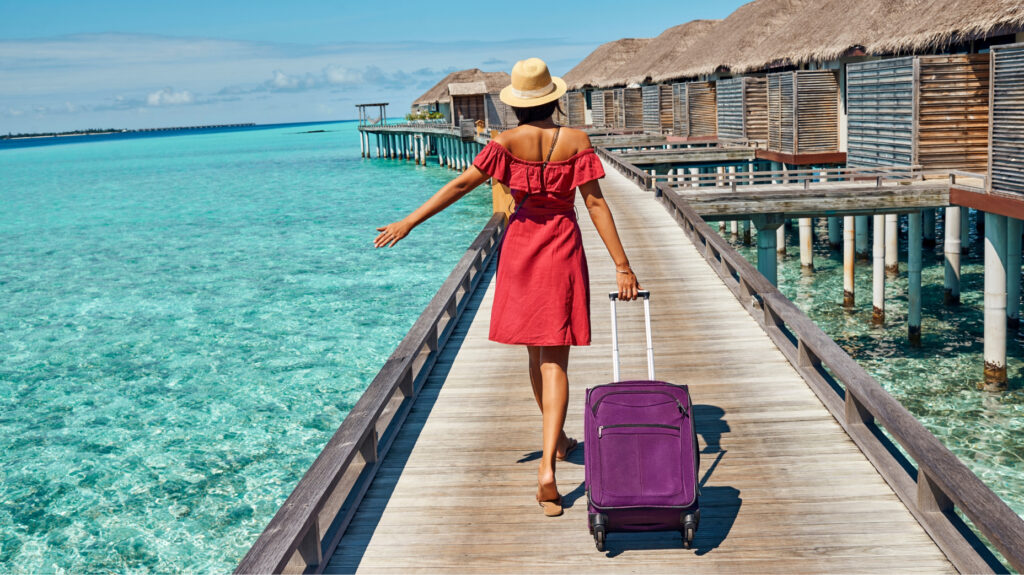
Some places naturally encourage slow tourism:
- Tuscany, Italy – vineyards, sunlit hills, and slow food culture
- Kyoto, Japan – temples, tea houses, and timeless traditions
- Ubud, Bali – wellness, nature, and meditation
- Provence, France – lavender fields and open countryside
- Quebec City, Canada – European charm and slower urban life
Each of these slow travel destinations offers space to unwind, observe, and connect.
Immersive Travel Experiences That Define Slow Tourism
Here are some slow travel experiences that create deep and lasting memories:
- Join a cooking class
- Attend a cultural festival
- Take nature walks or hikes
- Visit farmers’ markets
- Participate in pottery, art, or craft workshops
- Volunteer for community programs
- Stay with a host family
- Learn a local skill or language
These immersive travel experiences help you emotionally connect with the place you’re exploring.
How Slow Travel Supports Sustainability
Slow tourism is one of the most powerful forms of sustainable travel. It encourages:
- Fewer flights
- Longer stays
- Responsible choices
- Community support
- Respect for nature and heritage
When you travel slower, you naturally reduce your footprint while strengthening your connection with the destination.
Mindful Travel: The Heart of Slow Tourism
Mindful travel means paying attention—with your senses, emotions, and presence.
Ways to practice mindful travel:
- Listen carefully to local sounds
- Observe daily life without judgment
- Journal your thoughts and feelings
- Practice gratitude during your trip
- Disconnect from your phone for a while
Mindfulness enriches every slow travel experience.
Challenges of Slow Travel (And How to Handle Them)
1. Limited Time
Use long weekends, holidays, or staycations to practice slow tourism.
2. Budget Concerns
Choose affordable slow travel destinations where longer stays cost less.
3. Different Travel Preferences
Communicate your style early—or travel solo if needed.
Slow travel is flexible. It can be adapted to any lifestyle when you plan mindfully.
Final Thoughts: Experience More by Doing Less
Slow travel teaches you something powerful: you don’t need to see everything to experience everything.
When you travel slower, you notice beauty in small things—a friendly smile, a peaceful morning, a quiet street, the smell of local food, a conversation with a stranger. These are the real treasures of travel.
This slow travel guide encourages you to embrace mindful travel, immersive experiences, and sustainable choices. Whether you’re exploring your own country or traveling abroad, adopting slow tourism helps you create meaningful memories while supporting the planet and local communities.
Slow down.
Soak in the moment.
Let the journey unfold at its own pace.
Happy slow travels ✨