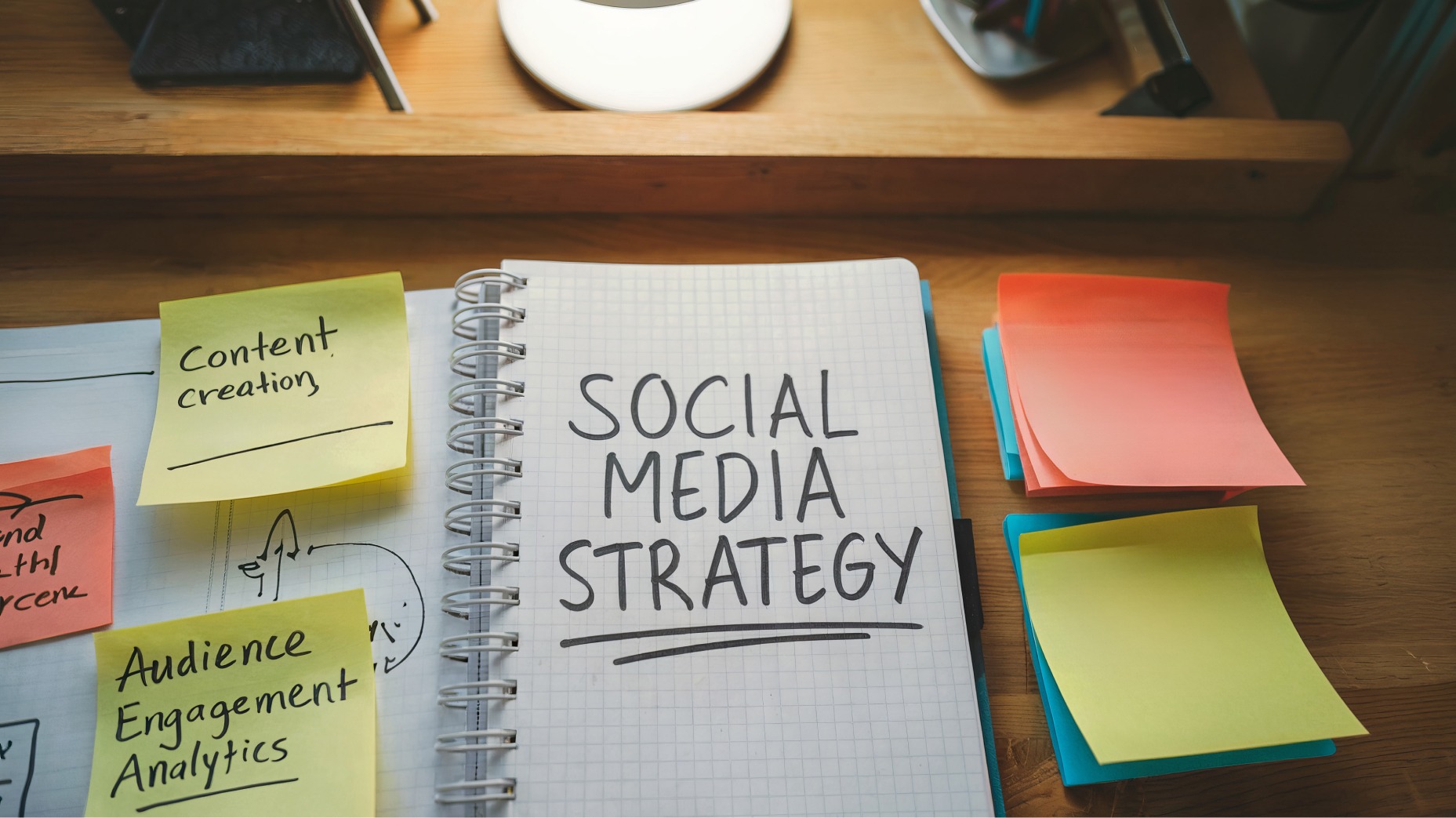
The Indian startup market is growing faster than ever, with thousands of new startups emerging every year in industries like fintech, edtech, health tech, SaaS, D2C brands, and AI. However, in an environment like this, it is no longer enough for startups to simply have an amazing product; they also need an amazing visibility, credibility, and community – which is exactly where social media can play a game-changer for them.
Social media is one of the most powerful tools for startups that can be leveraged for their marketing needs. Social media sites like Instagram, LinkedIn, YouTube, and X (Twitter) enable startups to reach out to their audience, share their brand stories, promote their products, and create brand communities without having to spend massive budgets on their marketing.
Indian startups face many challenges when it comes to leveraging social media for their business, but they often make the mistake of thinking that social media is simply about random posting, which does not really yield any results.
In this article, we will try to walk you through a practical and easy-to-understand framework for building a winning social media strategy for Indian startups.
Why Social Media Is Critical for Indian Startups
India boasts over 700 million internet users and hundreds of millions of active social media users. This provides a massive opportunity for startups to reach their target audience directly.
Unlike traditional marketing methods such as television or print media, social media allows startups to:
- Build brand awareness at a low cost
- Communicate directly with customers
- Generate leads and sales
- Build a community around the brand
- Collect feedback and improve products
For early-stage startups with limited budgets, social media can act as a primary growth engine.
Many successful Indian startups such as D2C brands, SaaS companies, and fintech platforms have built strong communities and brand recognition through social media.
But success does not come from random posts — it comes from a clear strategy.
Grow Your Startup With a Powerful Social Strategy
Need help building a results-driven social media strategy? Contact our experts today and start scaling your startup faster.

Step 1: Define Clear Goals
Before posting anything on social media, startups must answer one important question:
What do we want to achieve from social media?
Without clear goals, content becomes unfocused and results become difficult to measure.
Common social media goals for startups include:
1. Brand Awareness
For new startups, the main goal is often to make people aware that the brand exists.
Example:
A new skincare brand may focus on Instagram reels to introduce its products.
2. Lead Generation
B2B startups often use social media to generate leads and attract potential clients.
Example:
A SaaS startup sharing LinkedIn content to attract business owners.
3. Community Building
Some startups focus on building a strong community that supports the brand.
Example:
Fitness apps or creator platforms building engaged audiences.
4. Website Traffic
Driving users from social media to the company website or landing page.
5. Product Sales
Many D2C startups use Instagram and Facebook to generate direct sales.
The key is to choose 1–2 main goals first, instead of trying to achieve everything at once.
Step 2: Understand Your Target Audience
One of the biggest mistakes startups make is creating content without understanding their audience.
Your social media strategy must be built around who you are trying to reach.
Startups should answer questions like:
- Who is the ideal customer?
- What problems do they face?
- What type of content do they consume?
- Which social platforms do they use most?
For example:
If your audience is students
Focus on:
- Short videos
- Memes
- Trend-based content
If your audience is professionals
Focus on:
- Educational posts
- Industry insights
- Case studies
If your audience is entrepreneurs
Focus on:
- LinkedIn threads
- YouTube tutorials
- Founder stories
Creating audience personas helps startups produce content that actually resonates with people.
When your content solves real problems or reflects real experiences, engagement increases naturally.
Grow Your Startup With a Powerful Social Strategy
Need help building a results-driven social media strategy? Contact our experts today and start scaling your startup faster.
Step 3: Choose the Right Platforms
Many startups try to be active on every platform — Instagram, LinkedIn, YouTube, Facebook, Twitter, Pinterest, and more.
This often leads to poor quality content and inconsistent posting.
Instead, startups should focus on 2–3 main platforms where their audience is most active.
Here are the best platforms for most Indian startups.
Best for:
- D2C brands
- Lifestyle brands
- Food brands
- Fashion startups
- Consumer apps
Content types:
- Reels
- Carousels
- Stories
- Influencer collaborations
Instagram is currently one of the most powerful discovery platforms.
Best for:
- SaaS startups
- B2B services
- Agencies
- Professional platforms
- Startup founders building personal brands
Content types:
- Thought leadership posts
- Founder stories
- Industry insights
- Case studies
LinkedIn is extremely effective for building credibility and generating leads.
YouTube
Best for:
- Educational content
- Product tutorials
- Tech startups
- EdTech platforms
YouTube content lasts longer and helps startups build authority and trust.
X (Twitter)
Best for:
- Tech startups
- Founders
- Startup communities
- Real-time conversations
Many startup founders use Twitter to build a personal brand and network.
Step 4: Build a Strong Content Strategy
Content is the heart of social media.
But successful startups don’t just post randomly. They create structured content pillars.
Content pillars are categories that define what you post about.
For example:
Educational Content
Teach something valuable.
Examples:
- Marketing tips
- Startup lessons
- Industry insights
- How-to guides
Educational content builds trust and authority.
Entertaining Content
This type of content increases engagement.
Examples:
- Memes
- Trend-based reels
- Relatable startup situations
- Fun videos
Entertainment increases reach and shares.
Inspirational Content
People love stories.
Examples:
- Founder journeys
- Startup struggles
- Success stories
- Customer transformations
Stories create emotional connection with audiences.
Product Content
Show how your product helps users.
Examples:
- Product demos
- Feature highlights
- Customer testimonials
- Before-and-after results
But avoid being overly promotional.
A good rule is:
80% value content20% promotional content
Step 5: Create a Content Calendar
Consistency is one of the biggest factors in social media growth.
Many startups fail because they post inconsistently.
A content calendar helps maintain regular posting.
Example weekly schedule:
Monday – Educational post
Wednesday – Reel or short video
Friday – Founder story or insight
Sunday – Community engagement post
This keeps the content balanced and organized.
Startups should ideally post:
- 3–5 times per week on Instagram
- 2–3 times per week on LinkedIn
- 1 video per week on YouTube
Consistency builds familiarity and trust with audiences.
Grow Your Startup With a Powerful Social Strategy
Need help building a results-driven social media strategy? Contact our experts today and start scaling your startup faster.
Step 6: Use Influencer and Creator Marketing
Influencer marketing has become extremely powerful in India.
Instead of traditional ads, many startups collaborate with micro-influencers.
Micro-influencers typically have 10k–100k followers and strong audience trust.
Benefits of influencer marketing:
- Faster brand exposure
- Higher trust among audiences
- Authentic product reviews
- Access to niche communities
For example:
A skincare startup might collaborate with beauty creators.
A productivity tool might partner with tech YouTubers.
The key is to choose influencers whose audience matches your target customers.
Step 7: Engage With Your Audience
Social media is not just about broadcasting messages.
It is about building relationships.
Successful startups actively interact with their followers by:
- Replying to comments
- Responding to messages
- Asking questions
- Running polls and Q&A sessions
- Hosting live sessions
When audiences feel heard and valued, they become loyal supporters of the brand.
Community-driven brands often grow faster because people naturally recommend them.
Step 8: Track Performance and Improve
A strong social media strategy always includes analytics and optimization.
Startups should regularly track metrics like:
- Reach
- Engagement rate
- Follower growth
- Website clicks
- Leads generated
- Conversion rate
These insights help identify:
- What type of content works best
- Which platform performs better
- What time is best for posting
For example, if reels generate significantly higher reach than static posts, startups should create more reels.
Data-driven decisions help maximize results.
Common Mistakes Startups Should Avoid
Even with good intentions, many startups make common social media mistakes.
Posting Without Strategy
Random posting rarely produces results.
Over-Promoting Products
Too many promotional posts reduce engagement.
Ignoring Comments and Messages
Social media requires interaction.
Inconsistent Posting
Long gaps between posts weaken brand visibility.
Copying Competitors
Startups should focus on building their own unique voice.
Avoiding these mistakes significantly improves social media performance.
Final Thoughts
One of the strongest growth drivers for startups in India today is social media. With the right strategy, small startups with little resources to spend can create massive brand awareness, drive customers, and develop strong communities.
What this requires is not just posting content but a clear, consistent, and audience-driven strategy.
Through a solid strategy of setting goals, understanding the audience, using the right platform, creating the right content, partnering with influencers, and continuously improving through analytics, startups can leverage social media to drive growth.
In the competitive startup ecosystem, the brands that win are the ones who have the best communication with their audience.
And today, the best medium for doing this is through social media.