
Top Event Management Companies in Sheffield

Sheffield, known for its vibrant culture and bustling business environment, is home to some of the Top Event Management Companies in Sheffield. Whether you are planning a corporate gathering, wedding, conference, or exhibition, finding the right team of Sheffield Event Planners can make all the difference. From corporate event management Sheffield to wedding event management Sheffield, these companies specialize in delivering seamless experiences. Here’s a comprehensive list of the Best Event Management Companies Sheffield, featuring trusted experts who turn every event into a memorable occasion. 1. NSL Productions Website: https://www.nslproductions.com Address: Unit 5, Kelham Island, Sheffield, S3 8RY, UK Services: NSL Productions is among the Top Event Management Companies in Sheffield, offering a full spectrum of services for both corporate and private events. Their team of Sheffield Event Specialists ensures each event is meticulously planned and executed, from large-scale conferences to intimate weddings. With expertise in audio-visual setups and live entertainment, NSL Productions delivers memorable experiences. Their client-focused approach and innovative strategies have positioned them as a leader in Event Management Agency Sheffield. Whether you require professional event management Sheffield or bespoke solutions for Event Planning Companies Sheffield, NSL Productions combines creativity, technology, and reliability to exceed expectations. 2. Kelham Studio Website: https://www.kelham.studio Address: Kelham Island, Sheffield, S3 8RY, UK Services: Kelham Studio is a premier Event Management Agency Sheffield, known for delivering stylish and personalized experiences. Specializing in both wedding event management Sheffield and corporate events, they combine creativity with logistical precision. Their team of Sheffield Event Planners ensures every detail is flawlessly executed, offering comprehensive event services Sheffield that cover design, AV production, and experiential concepts. Kelham Studio is highly regarded among Local Event Management Companies in Sheffield, with a reputation for transforming client visions into unforgettable realities. They focus on innovation, seamless coordination, and client satisfaction, making them one of the Best Event Management Companies Sheffield. 3. Ashcott International Website: https://ashcott.international Address: Broad Lane, Sheffield, S1 2BJ, UK Services: Ashcott International is recognized as one of the Top Event Management Companies in Sheffield for corporate excellence. Specializing in Conference & Exhibition Organisers Sheffield, they handle large-scale events with precision. Their team of Sheffield Event Specialists ensures flawless execution from concept to completion. From corporate event management Sheffield to strategic marketing of events, Ashcott International provides innovative solutions tailored to client needs. As one of the leading Event Organisers in Sheffield, they excel in planning, logistics, and creative execution. Their reputation for professionalism and reliability makes them a top choice among Event Companies in Sheffield. 4. Grace & Tailor AV Website: https://graceandtailorav.co.uk Address: City Centre, Sheffield, S1 4RG, UK Services: Grace & Tailor AV is one of the most trusted Sheffield Event Planners, delivering high-quality audio-visual and event management services. Their expertise ranges from wedding event management Sheffield to corporate gatherings, ensuring seamless execution every time. Recognized as a leading Event Management Agency Sheffield, Grace & Tailor AV focuses on innovative solutions and personalized service. Their team of Professional Event Management Sheffield experts manages every detail, from production to coordination, making them one of the Best Event Management Companies Sheffield. Clients appreciate their creativity, technical skill, and ability to bring visions to life. 5. Eight Engines Website: https://www.eightengines.com Address: Sheffield Business Park, S9 1XG, UK Services: Eight Engines is a standout among Top Event Management Companies in Sheffield, providing tailored solutions for both corporate and private events. Their team of Sheffield Event Specialists ensures every project is executed flawlessly. They specialize in corporate event management Sheffield, conference & exhibition organisers Sheffield, and creative event services Sheffield. Known for their innovative approach, Eight Engines combines strategy, design, and technology to create memorable events. They rank highly among Local Event Management Companies in Sheffield due to their professional standards and commitment to client satisfaction, making them a top choice for Event Companies in Sheffield. 6. Connect In Events Website: https://connectinevents.co.uk Address: Meadowhall, Sheffield, S9 1EP, UK Services: Connect In Events has earned its reputation as a leader among Event Planning Companies Sheffield. Their expert team of Sheffield Event Planners focuses on delivering professional event management Sheffield services for corporate and private clients. With a wide range of offerings including corporate event management Sheffield and wedding event management Sheffield, Connect In Events ensures seamless execution for every occasion. They are recognized among Best Event Management Companies Sheffield for their strategic planning, creativity, and attention to detail. Clients benefit from innovative solutions and meticulous coordination, making Connect In Events a preferred choice for Event Companies in Sheffield. 7. JHAV Events Website: https://jhav.co.uk Address: City Centre, Sheffield, S1 2HH, UK Services: JHAV Events is among the top Sheffield Event Planners, specializing in both wedding event management Sheffield and corporate events. Their comprehensive Event Management Agency Sheffield services include planning, logistics, and AV support. Recognized for their creativity and attention to detail, JHAV Events excels in event production companies Sheffield and conference & exhibition organisers Sheffield. As a trusted provider among Local Event Management Companies in Sheffield, they ensure each event is unique, well-coordinated, and professionally executed. Clients rely on JHAV Events for seamless, innovative, and memorable experiences. 8. The Bar Tailors Website: https://www.thebartailors.co.uk Address: Sheffield City Centre, S3 7NG, UK Services: The Bar Tailors is a leading Event Management Agency Sheffield, specializing in catering and bar services for events. Known for corporate event management Sheffield and wedding event management Sheffield, they deliver exceptional service and unique experiences. Their team of Sheffield Event Specialists ensures seamless coordination from planning to execution. Recognized as one of the Top Event Management Companies in Sheffield, The Bar Tailors focuses on creativity, professional service, and client satisfaction. Their offerings make them an excellent choice for both corporate gatherings and private celebrations, ranking them among the Best Event Management Companies Sheffield. 9. Spread Like Wildfire Website: https://spreadlikewildfire.co.uk Address: Sheffield Digital Hub, S1 4QF, UK Services: Spread Like Wildfire stands out as one of the Best Event Management Companies Sheffield, combining marketing expertise with professional event management Sheffield services. They are among the leading Event Companies in Sheffield, specializing
Longevity Clinics : What They Offer & Are They Worth It?

In recent years, the rise of longevity clinics has captured the attention of people looking to extend not just their lifespan but also their healthspan. These specialized centers promise advanced treatments, personalized health programs, and cutting-edge science aimed at slowing the aging process and improving quality of life. But the question remains: Are longevity clinics worth it? This in-depth guide explores what these clinics actually offer, the science behind their treatments, and whether investing in them makes sense for your long-term health. What is a Longevity Clinic? Before diving deeper, let’s first clarify what is a longevity clinic. Simply put, a longevity clinic is a healthcare facility that combines traditional medicine with advanced scientific innovations to help people live longer, healthier, and more vibrant lives. Unlike conventional hospitals or wellness centers, these clinics focus on optimizing biological age, preventing age-related diseases, and enhancing overall vitality. They are sometimes referred to as anti-aging clinics, life extension clinics, or age management clinics, but their core mission remains the same: extend the number of healthy years a person can enjoy. The Growing Demand for Longevity Clinics With increasing awareness of lifestyle-related diseases and age-related conditions, more people are turning toward longevity medicine. Modern individuals don’t just want to live longer—they want to live better. Chronic illnesses, fatigue, cognitive decline, and other health issues push people to seek longevity treatments that can improve resilience and delay the effects of aging. Many anti-aging and wellness centers have evolved into full-fledged longevity and preventive medicine hubs, offering a holistic approach that merges technology, science, and lifestyle management. The market for longevity clinics is projected to grow exponentially, fueled by rising healthcare costs and the desire for personalized medical care. Services Offered by Longevity Clinics Each clinic may differ in the exact services they provide, but most wellness and longevity centers typically offer the following: 1. Longevity Testing and Diagnostics One of the first steps in a longevity health program is advanced testing. These diagnostics often include genetic testing, hormone profiling, telomere length measurement, microbiome analysis, and full-body imaging. Such longevity testing and diagnostics provide deep insights into biological age and potential risks. 2. Personalized Longevity Programs No two bodies are the same, which is why many clinics design personalized longevity programs tailored to individual needs. These programs may include nutrition guidance, exercise regimens, sleep optimization, and supplementation plans designed to slow aging. 3. Longevity Therapy and Treatments Core offerings at most regenerative medicine clinics include hormone replacement therapy, IV nutrient infusions, peptide therapy, stem cell treatments, and red light therapy. These longevity therapies are often marketed as tools for rejuvenation and age reversal. 4. Preventive Healthcare Clinics Approach Unlike traditional hospitals, many longevity centers function as preventive healthcare clinics. Their focus is proactive—catching diseases before they manifest. For example, cardiovascular screenings, cancer risk assessments, and metabolic health monitoring are key features. 5. Regenerative Medicine Some of the most advanced longevity treatments come from regenerative medicine. These may involve stem cells, platelet-rich plasma (PRP), or exosome therapies that aim to repair damaged tissues and enhance recovery. 6. Holistic Longevity Treatments Many longevity and wellness centers combine medical science with holistic health practices such as acupuncture, meditation, stress reduction, and nutritional therapy. These holistic longevity treatments emphasize balance between mind and body. Benefits of Longevity Clinics People often ask: What are the real benefits of longevity clinics? While research is ongoing, many clients report noticeable improvements in health and wellbeing. The benefits of longevity clinics typically include: For many, these improvements make the investment worthwhile, though results can vary based on an individual’s condition and the clinic chosen. Are Longevity Clinics Worth It? The big question—are longevity clinics worth it?—depends on your goals, budget, and expectations. For someone looking to live a healthier lifestyle and prevent future disease, these clinics can provide value through longevity health programs and preventive care. However, for others expecting miraculous “fountain of youth” results, disappointment may follow. It’s important to remember that longevity medicine is still an evolving field. While many therapies offered in age management clinics are backed by science, others may still lack extensive clinical validation. That said, for those who can afford it and are committed to long-term health optimization, longevity clinics can be a game-changer. Types of Longevity Clinics Different clinics emphasize different approaches: Each type of clinic comes with its own strengths, so researching and comparing is key before enrolling. Longevity Treatments You May Encounter Some of the most popular longevity therapies include: These longevity treatments may not stop aging but can help improve healthspan significantly. The Role of Longevity Medicine Longevity medicine is more than just treatments—it’s an integrated approach to healthcare. It focuses on identifying biomarkers of aging, monitoring genetic risks, and applying evidence-based interventions to extend healthy years. By combining medical expertise with lifestyle optimization, longevity clinics offer a bridge between modern medicine and wellness. Risks and Considerations While longevity and preventive medicine offers exciting possibilities, not everything is risk-free. Some therapies are experimental, costly, and not always covered by insurance. Potential downsides include: It’s wise to consult with licensed professionals and research thoroughly before committing to any longevity clinic. How to Choose the Best Longevity Clinics Near Me Finding the best longevity clinics near me requires research. Consider: The Future of Longevity Clinics As research into aging accelerates, the role of anti-aging and wellness centers is likely to grow. Advances in genetics, artificial intelligence, and regenerative medicine will make these clinics even more precise and effective. Future longevity health programs may use AI-driven diagnostics, genetic editing, and advanced biomarker tracking to create highly personalized care. Conclusion: Should You Consider a Longevity Clinic? Longevity clinics represent the future of healthcare—where prevention, personalization, and innovation intersect. They offer a wide range of services, from longevity testing and diagnostics to holistic longevity treatments, aiming to help individuals live longer, healthier, and more fulfilled lives. While they are not a magic bullet against aging, the benefits of longevity clinics can be significant for those willing to invest
Postbiotics: The Next Big Thing in Digestive Health
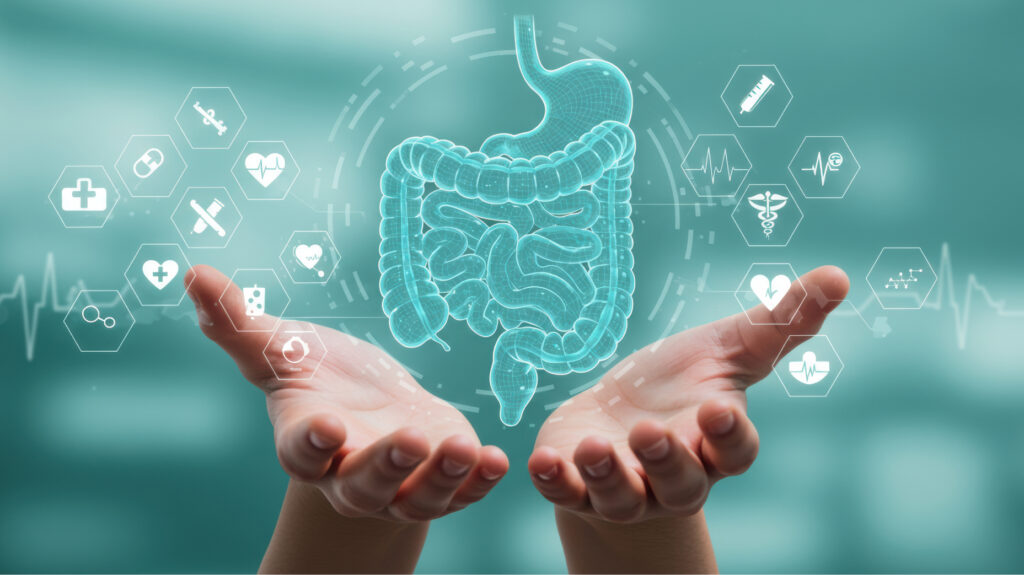
In recent years, gut health has become one of the most talked-about aspects of overall wellness. From probiotics to prebiotics, the role of microorganisms in supporting digestion, immunity, and energy levels has received enormous attention. But now, there’s an exciting new player taking center stage — postbiotics. So, what are postbiotics, and why are they being hailed as the next big thing in digestive and overall health? Let’s explore everything you need to know about postbiotics, their benefits, how they differ from probiotics and prebiotics, and how they can be incorporated into daily life. What Are Postbiotics? To understand what are postbiotics, it helps to first look at probiotics and prebiotics. In simple terms, postbiotics are the beneficial byproducts of probiotics’ activity in the gut. These include enzymes, peptides, short-chain fatty acids, and cell wall fragments. Even though they aren’t living organisms, postbiotics benefits extend far beyond digestion, making them a breakthrough in digestive health supplements. Postbiotics vs Probiotics: Understanding the Difference Many people confuse probiotics with postbiotics, but there are clear differences: The advantage? Unlike probiotics, postbiotics supplements don’t require refrigeration, have a longer shelf life, and are easier to standardize. This makes them more accessible and reliable, especially in the form of digestive health supplements. When comparing postbiotics vs probiotics, one of the biggest takeaways is that postbiotics can deliver many of the same benefits without the challenges of keeping probiotics alive and active. Postbiotics Benefits: Why They’re So Powerful The rise in interest around postbiotics comes from the wide range of health benefits they can provide. Scientific studies have highlighted that postbiotics for gut health and overall wellness can be just as impactful as probiotics — sometimes even more. Here are the key postbiotics benefits: These combined effects explain why more people are turning to postbiotics supplements and functional foods as part of their daily wellness routine. How Postbiotics Work in the Body To answer the question how postbiotics work, we need to look at the gut microbiome. When probiotics digest prebiotics (dietary fibers), they release metabolites such as short-chain fatty acids (SCFAs), peptides, and organic acids. These metabolites: In this way, postbiotics for digestion act as chemical messengers that improve gut function and extend their benefits throughout the body. Unlike probiotics, they don’t need to survive the harsh digestive process, which makes them more stable and effective in certain cases. Postbiotics for Gut Health and Digestion Gut health is the foundation of overall wellness, and postbiotics for gut health play a vital role in supporting digestion and balance. Adding postbiotics for digestion into your lifestyle — whether through diet, natural postbiotics sources, or supplements — can significantly improve long-term gut resilience. Postbiotics and the Immune System There’s growing scientific evidence supporting postbiotics for immune system enhancement. Unlike probiotics, which require survival and colonization in the gut, postbiotics deliver ready-to-use compounds that directly influence immune responses. By strengthening the immune response, postbiotics for immune system support not only gut health but also respiratory and systemic defenses. Postbiotics for Inflammation and Chronic Conditions Chronic inflammation is linked to a variety of conditions, from joint problems to cardiovascular disease. Research suggests that postbiotics for inflammation may help by reducing inflammatory markers in the body. These findings make postbiotics for inflammation a promising natural solution for people dealing with chronic health concerns. Postbiotics for Weight Loss and Metabolic Health Obesity and metabolic syndrome are major global concerns. Scientists have begun exploring postbiotics for weight loss and how they affect metabolism. While not a magic bullet, incorporating postbiotics for weight loss strategies alongside a balanced diet and exercise may improve overall metabolic health. Postbiotics Foods and Natural Sources If you’re wondering about postbiotics foods, you’ll be glad to know that they naturally occur in many fermented items. Unlike supplements, food sources provide additional nutrients and flavors. Some natural postbiotics sources include: Adding these postbiotics foods to your diet can naturally boost gut health and provide ongoing exposure to beneficial compounds. Postbiotics for Skin Health Another exciting area of research is postbiotics for skin health. The skin, like the gut, has a microbiome that influences its resilience and appearance. With their anti-inflammatory and antioxidant properties, postbiotics for skin health are increasingly being used in topical products as well as dietary supplements. Postbiotics in Functional Foods The rise of postbiotics in functional foods is transforming the wellness industry. Functional foods are those enriched with additional health-boosting compounds. Postbiotics can be added to: Because they are shelf-stable and safe, postbiotics in functional foods are expected to become a mainstream way for people to consume digestive and immune-supporting compounds daily. Postbiotics and Prebiotics Difference It’s easy to confuse the terminology, so let’s clarify the postbiotics and prebiotics difference: Understanding the postbiotics and prebiotics difference highlights how all three — prebiotics, probiotics, and postbiotics — work together in synergy for optimal gut health. Choosing the Best Postbiotic Supplement With growing popularity, there are now many postbiotics supplements on the market. To ensure effectiveness, look for: The best postbiotic supplement is one that fits your health goals, whether that’s digestion, immunity, skin health, or metabolic balance. Always consult a healthcare professional before starting new digestive health supplements. Future of Postbiotics in Health and Wellness As research grows, it’s clear that postbiotics for gut health and beyond represent a new era in digestive and systemic wellness. Unlike probiotics, they offer stability, safety, and versatility, making them highly attractive for manufacturers and consumers. We can expect to see more postbiotics in functional foods, personalized supplements, and even medical applications aimed at supporting conditions like inflammatory bowel disease, obesity, and skin disorders. The potential of postbiotics goes far beyond digestion — they are shaping the future of preventive health and wellness. Conclusion Postbiotics may be relatively new to the health conversation, but their potential is undeniable. From postbiotics benefits such as improved digestion, immune support, and skin health, to their role in functional foods and supplements, they are set to revolutionize the way we think about wellness. Whether through
The Science Behind Blue Zone Diets
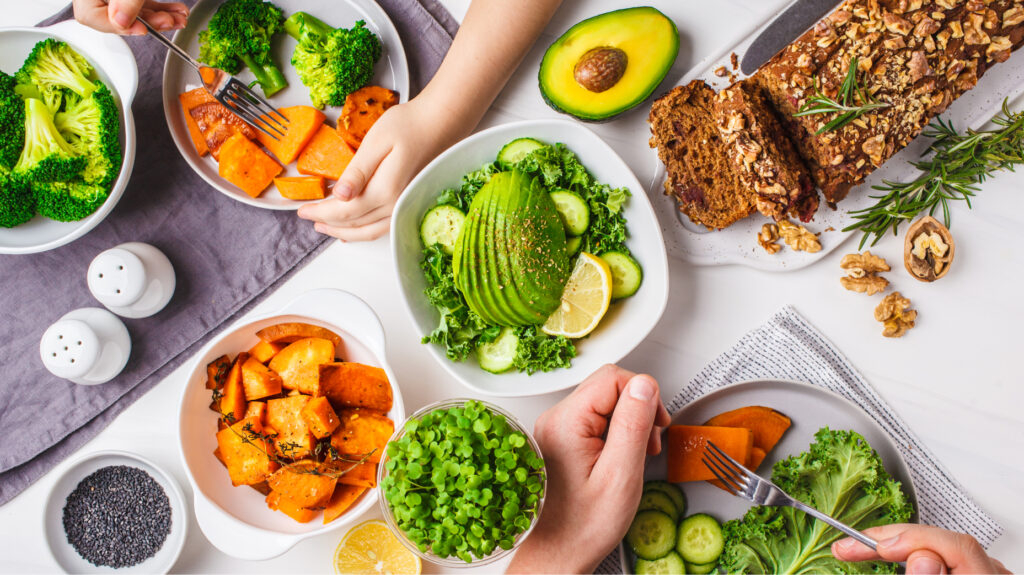
Introduction: Why Blue Zones Captivate the World In recent years, scientists, nutritionists, and longevity researchers have been fascinated by Blue Zone diets—the unique eating patterns followed by people in regions where life expectancy and health span are remarkably high. These areas, known as Blue Zones, include Okinawa in Japan, Sardinia in Italy, Nicoya in Costa Rica, Ikaria in Greece, and Loma Linda in California. People living here not only live longer but thrive with vitality well into their 90s and even past 100. This phenomenon has led to widespread curiosity about Blue Zone foods, Blue Zone lifestyle habits, and how the principles of Blue Zone nutrition can be applied globally. The longevity diet observed in these communities is far from a fad. Instead, it is rooted in centuries-old traditions, plant-based eating, and meaningful lifestyle practices. From Blue Zone superfoods like beans, whole grains, and greens to balanced Blue Zone eating habits, their approach has become a model for diet for longevity and healthy aging diets worldwide. 1. What Are Blue Zones? The term “Blue Zones” was coined by researcher Dan Buettner and his team while studying regions with extraordinary longevity. They marked these locations with a blue marker on the map—hence the name. These populations show exceptionally low rates of chronic disease, a phenomenon strongly tied to their Blue Zone nutrition and diet for longevity. Unlike restrictive trends, the Blue Zone diet emphasizes a healthy aging diet filled with simple, traditional meals. These meals highlight Blue Zone superfoods such as legumes, nuts, seasonal vegetables, and whole grains. Researchers found that residents in these regions not only live longer but also maintain higher levels of vitality due to their Blue Zone lifestyle and healthy lifestyle habits from Blue Zones. 2. The Core Principles of the Blue Zone Diet The Blue Zone eating habits are remarkably consistent across different regions, despite cultural differences. Some core principles include: This approach highlights why the Blue Zone diet benefits extend beyond physical health. Eating is not merely about nourishment—it’s about lifestyle, joy, and community. 3. Blue Zone Foods and Their Nutritional Power One of the most fascinating aspects of the Blue Zone diet is its reliance on Blue Zone superfoods. These include: These foods that increase lifespan are consistently part of the longevity diet and demonstrate how traditional choices outperform modern processed foods. 4. Comparing the Mediterranean Diet vs Blue Zone Diet A frequent question arises: what’s the difference between the Mediterranean diet vs Blue Zone diet? Both prioritize plants, healthy fats, and moderate wine consumption. However, the Blue Zone lifestyle integrates not just food but holistic practices—like daily movement, reduced stress, and purpose-driven living. The Blue Zone diet benefits extend further because it’s not only about nutrients but about embedding healthy lifestyle habits from Blue Zones into daily life. For example, Sardinians share many foods with the Mediterranean, but their communal meals, strong family ties, and natural physical activity make their approach uniquely effective. 5. Longevity Secrets from Okinawa and Beyond Among the most studied populations are the Okinawans, whose Okinawa diet secrets hold profound lessons. Their meals are high in sweet potatoes, tofu, seaweed, and bitter melon. These Blue Zone superfoods are nutrient-dense and support both longevity and vitality. Similarly, the Nicoyans in Costa Rica rely on beans, corn, and squash—the “three sisters”—as the core of their Blue Zone nutrition. Sardinians consume whole grains, legumes, and goat’s milk, while Ikarians favor beans, greens, and herbal teas that align with the healthy aging diet principles. Each of these traditions shows that the centenarian diet is less about exotic ingredients and more about consistency, balance, and cultural identity. 6. Blue Zone Eating Habits and Lifestyle Integration The secret to a diet for longevity isn’t just what’s eaten—it’s also how it’s eaten. Blue Zone eating habits include mindful portions, eating with family, and not rushing meals. These practices enhance digestion, reduce stress, and promote connection. The Blue Zone diet benefits multiply when paired with the Blue Zone lifestyle. Daily physical activity, social engagement, and stress reduction practices are as essential as the healthy aging diet itself. Together, they form the holistic system of Blue Zones longevity secrets. 7. Blue Zone Diet Benefits Backed by Science Scientific studies validate the Blue Zone diet benefits in several ways: By studying the plant-based diet longevity effects, researchers confirm that traditional eating patterns, like those of Blue Zones, outperform many modern health fads. 8. Practical Blue Zone Recipes for Everyday Living For anyone inspired to adopt a healthy aging diet, incorporating Blue Zone recipes into daily meals is a practical step. Examples include: These simple dishes reflect Blue Zone eating habits that prioritize foods that increase lifespan while offering comfort and flavor. 9. How to Live Longer with Diet and Lifestyle Adopting a Blue Zone diet is one of the most sustainable strategies for how to live longer with diet. Yet, nutrition is only one piece of the puzzle. Incorporating healthy lifestyle habits from Blue Zones—such as regular movement, strong social connections, and a sense of purpose—amplifies the effects of the diet for longevity. The balance between Blue Zone foods, mindful living, and social well-being creates the foundation for diet and healthy aging. This is why the Blue Zones longevity secrets remain timeless, relevant, and scientifically validated. 10. Building Your Own Longevity Diet Plan For those seeking to personalize their health journey, creating a longevity diet inspired by Blue Zone nutrition can be transformative. Steps include: This holistic approach offers a sustainable path to foods that increase lifespan and builds a strong foundation for lifelong wellness. Conclusion: Embracing the Blue Zone Lifestyle The Blue Zone diet is more than a menu—it’s a philosophy for life. By embracing Blue Zone eating habits, incorporating Blue Zone superfoods, and following the diet for longevity, we can align with the proven healthy aging diet patterns of centenarians. Science shows that these principles are not about strict rules but about balance, simplicity, and joy in eating. By learning from the Blue Zones longevity secrets,
How to Boost Longevity Through Everyday Habits
Living a long, fulfilling life has always been a dream for humankind. Across cultures and generations, people have asked one central question: how to live longer while staying healthy and energetic. While genetics play a role in longevity, studies consistently show that everyday habits for longevity and lifestyle choices have a far greater impact on our overall health. By cultivating healthy lifestyle habits, you can boost longevity naturally, reduce the risk of chronic diseases, and improve your quality of life well into your later years. In this comprehensive guide, we’ll explore the science-backed longevity tips that focus on nutrition, physical activity, sleep, stress, mindfulness, and more. You’ll discover practical, actionable ways to live longer, adopt strategies for healthy aging, and learn how simple shifts in your daily routine can significantly increase lifespan and extend your life. Why Everyday Habits Matter for Longevity The science of longevity reveals that about 80–90% of how long we live is influenced by lifestyle factors. Researchers studying the world’s “Blue Zones”—regions with the highest concentrations of centenarians—found that daily habits for health like diet, movement, social interaction, and stress management are key to their healthy routines for long life. The encouraging news is that no matter your age, adopting healthy lifestyle habits can improve vitality and extend your health span. This means you’re not just adding years to your life, but life to your years. By practicing everyday habits for longevity, you can enjoy meaningful activities, strong relationships, and continued productivity well into older age. 1. Nutrition: The Foundation of Longevity When it comes to diet for longevity, food is not just fuel—it’s medicine. The right nutrients can lower inflammation, regulate blood sugar, and prevent chronic diseases such as heart disease, diabetes, and cancer. Best Foods for Longevity Adopting a balanced diet rich in whole foods is one of the most effective ways to live longer. Experts recommend filling your plate with: The best foods for longevity aren’t complicated—they’re simple, natural, and plant-forward. Reducing processed foods, sugar, and excessive red meat consumption plays an equal role in maintaining vitality. 2. Movement and Exercise for Longevity Physical activity is a cornerstone of healthy routines for long life. Regular exercise strengthens the heart, improves circulation, builds muscle, and supports mental well-being. Even moderate activity, like walking or gardening, can dramatically extend your life. Why Exercise Matters The key to exercise for longevity is consistency, not intensity. Aim for at least 150 minutes of moderate exercise or 75 minutes of vigorous exercise per week. Practices like yoga, tai chi, and swimming combine strength, flexibility, and relaxation—making them excellent longevity tips. 3. The Power of Sleep in Longevity Sleep is often overlooked but plays a critical role in how to live longer. Consistent, quality sleep helps the body repair, boosts immunity, and supports memory and mental clarity. Poor sleep, on the other hand, is linked to obesity, heart disease, and shorter lifespan. Sleep and Longevity Strategies The connection between sleep and longevity is undeniable. Those who consistently practice healthy sleep habits not only live longer but also enjoy more energy and sharper cognitive function. 4. Stress Management and Longevity Chronic stress accelerates aging, damages the heart, and weakens the immune system. Learning stress management for health is essential to boost longevity naturally. Practical Stress-Reduction Habits The science of longevity highlights that communities with strong social ties and stress-coping mechanisms tend to live longer. This makes stress reduction one of the most valuable everyday habits for longevity. 5. Mindfulness and Mental Well-Being Longevity isn’t just physical—it’s also about mental and emotional resilience. Mindfulness for longevity helps regulate emotions, improve focus, and lower risks of age-related cognitive decline. Mental Health and Longevity Connection By integrating mindfulness into everyday life, you strengthen both your body and mind, ensuring balanced ways to live longer. 6. The Role of Social Connection in Longevity Research shows that loneliness is as damaging to health as smoking. Strong relationships not only improve happiness but also significantly increase lifespan. Communities in Blue Zones often thrive because of their interconnectedness, family ties, and shared purpose. Social Longevity Tips Human beings are wired for connection. By nurturing relationships, you don’t just extend your life, you also create joy-filled years. 7. Healthy Routines for Long Life While each element—nutrition, movement, sleep, stress management, and social connection—matters individually, the magic happens when combined into healthy routines for long life. A balanced day might look like this: These small, sustainable daily habits for health are the building blocks of boosting longevity naturally. 8. The Science of Longevity and Aging Gracefully Modern research in the science of longevity emphasizes not only the number of years lived but the quality of those years. Caloric moderation, fasting, exercise, and stress reduction all interact at a cellular level to support healthy aging. Studies show that best foods for longevity reduce oxidative stress, while consistent exercise for longevity maintains telomere length—the protective caps on our DNA that shorten with age. Furthermore, mental health and longevity are closely tied, as stress shortens telomeres, accelerating aging. The exciting part is that science proves our choices matter. By practicing everyday habits for longevity, you can positively influence your biology and increase lifespan. 9. Practical Longevity Tips to Start Today Here’s a summary of actionable longevity tips you can start implementing right now: These strategies are not quick fixes but lifelong practices that align with the science of longevity. Conclusion: Extending Your Life Through Everyday Habits The journey toward how to live longer doesn’t require drastic changes or extreme sacrifices. Instead, it’s about building sustainable, intentional healthy lifestyle habits that compound over time. From choosing the best foods for longevity to maintaining mental health and longevity, each decision you make contributes to your overall well-being. By adopting everyday habits for longevity, you’re not only adding years but enhancing the quality of those years. Whether it’s finding joy in daily movement, eating a nourishing meal, practicing mindfulness, or surrounding yourself with loved ones, these simple yet powerful practices will boost longevity naturally.
Gut Health 101: Why Your Microbiome Rules Your Well-Being
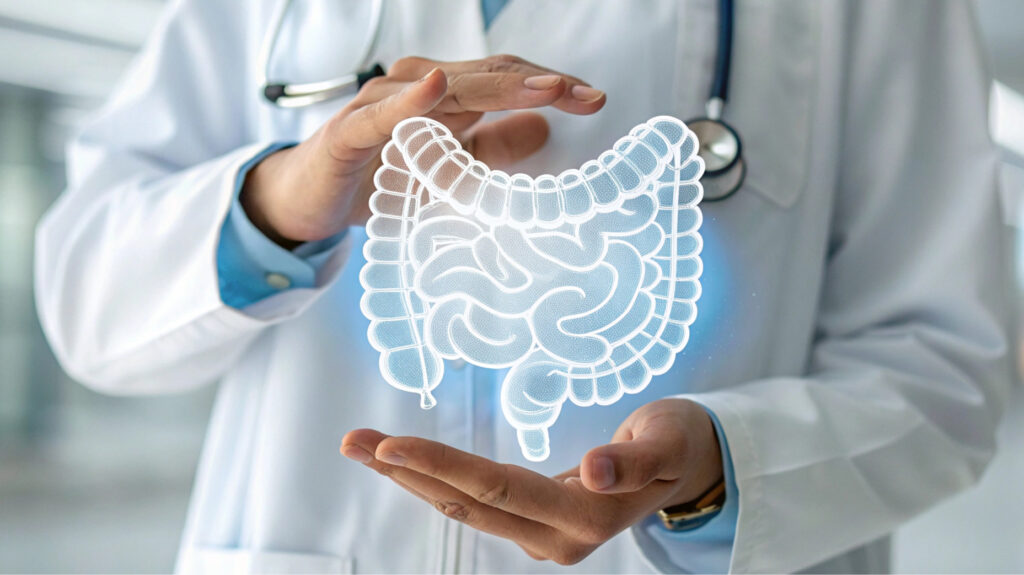
When it comes to your overall wellness, one of the most powerful yet often overlooked areas of health lies within your gut. Your gut health doesn’t just determine how well you digest food—it impacts immunity, energy, mood, and even your skin. A thriving gut microbiome is like a superpower for your body, influencing systems from digestion to mental clarity. In this comprehensive guide, we’ll explore the science of your microbiome health, explain why a healthy gut is the foundation of total well-being, and give you practical steps to improve gut health through food, lifestyle, and mindful choices. Whether you’re curious about the best foods for gut health, considering gut health supplements, or simply looking for natural ways to improve gut health, this guide has everything you need. What Exactly Is Gut Health? Your gut is home to trillions of microorganisms—bacteria, fungi, viruses, and other microbes—that collectively form what’s known as the gut microbiome. These microorganisms are not harmful; in fact, they perform crucial functions. They help digest food, absorb nutrients, regulate metabolism, and even produce vitamins. A healthy gut means your microbiome is diverse and balanced, with plenty of beneficial bacteria working together to protect your digestive system. On the other hand, an imbalance—known as dysbiosis—can lead to digestive problems, inflammation, low energy, and more serious conditions. The importance of microbiome health extends far beyond digestion. Studies show strong links between gut bacteria and heart health, hormone regulation, and the brain. When people ask about the benefits of gut health, the answer is simple: nearly every part of your body functions better when your gut is thriving. Why Gut Health Is Central to Well-Being The gut is sometimes called the body’s “second brain.” It’s connected to your nervous system and immune system, meaning it plays a role in everything from mood to immunity. 1. Gut Health and Immune System About 70% of your immune cells reside in your gut. A strong gut health and immune system connection means your body is better equipped to fight infections and respond to threats. If your microbiome is weak or unbalanced, your immunity may struggle, leaving you prone to illness. 2. Gut Health and Mental Health The gut produces neurotransmitters like serotonin, often referred to as the “happy hormone.” This explains the close link between gut health and mental health. When your gut bacteria are balanced, you’re more likely to experience better moods, less anxiety, and improved focus. 3. Gut-Brain Connection Scientists describe the gut-brain connection as a two-way communication system. Signals travel between your gut and brain through the vagus nerve, meaning digestive distress can influence mood, and stress can disrupt digestion. Signs of Poor Gut Health Sometimes it’s obvious when your gut is struggling, but other times the symptoms are subtle. Common signs of poor gut health include: Recognizing these early signals can help you take steps to improve gut health before bigger issues arise. Best Foods for Gut Health Diet is one of the most powerful ways to build a healthy gut. The best foods for gut health contain fiber, probiotics, and prebiotics that feed good bacteria and support microbial diversity. Fiber-Rich Foods Fiber feeds the beneficial bacteria in your gut. Whole grains, legumes, vegetables, and fruits are staples of a gut health diet. Probiotic-Rich Foods Fermented foods like yogurt, kefir, sauerkraut, kimchi, and miso introduce live beneficial bacteria into your gut. Many people also take probiotics for gut health as supplements to boost diversity. Prebiotic-Rich Foods Prebiotics are the fibers that feed probiotics. Foods like garlic, onions, leeks, asparagus, and bananas are excellent sources of prebiotics for gut health. Polyphenol-Rich Foods Dark chocolate, green tea, berries, and olive oil contain polyphenols that act as fuel for good gut bacteria. Gut Health Diet: Building a Sustainable Routine A gut health diet doesn’t need to be complicated. It’s about consistently eating foods that nourish your microbiome. A sample gut health lifestyle meal plan might include: By prioritizing diverse, whole foods, you naturally improve gut health and build long-term resilience. Gut Health Supplements: Do You Need Them? While food should always be the foundation of a healthy gut, some people find gut health supplements helpful. These include: Supplements should not replace food, but they can enhance your gut health lifestyle changes, especially if your diet is limited or you’re recovering from antibiotics. Natural Ways to Improve Gut Health If you want to boost your microbiome naturally, here are natural ways to improve gut health without relying solely on supplements: These simple gut health tips and tricks go a long way toward creating balance in your system. How to Improve Gut Microbiome Step by Step Many people ask, “What are the best ways for how to improve gut microbiome health?” Here’s a roadmap: By following these steps, you’ll naturally strengthen microbiome health and set the foundation for lifelong wellness. Gut Health Tips and Tricks for Everyday Living Improving your gut doesn’t have to be overwhelming. Here are some everyday gut health tips and tricks: These small, consistent changes lead to big improvements in your gut health lifestyle. Benefits of Gut Health The benefits of gut health extend into every area of life. With a balanced microbiome, you may notice: This is why many health professionals say that caring for your gut is one of the best long-term investments you can make in yourself. Gut Health Lifestyle Changes Lasting results come from consistent gut health lifestyle changes, not quick fixes. Some examples include: The goal isn’t perfection—it’s creating habits that nurture your healthy gut every day. The Role of Probiotics and Prebiotics Both probiotics for gut health and prebiotics for gut health are essential for a flourishing microbiome. Think of probiotics as the seeds of a garden and prebiotics as the fertilizer. Together, they build resilience and improve long-term microbiome health. Putting It All Together: Your Gut Health Roadmap Caring for your gut is not a one-time project—it’s a lifelong journey. Start with the basics: eat the best foods for gut health, consider gut
Digital Detox: How to Actually Stick With It

In today’s hyper-connected world, our lives are glued to smartphones, laptops, and endless scrolling. While technology has made communication and work easier, it has also created constant digital noise. Many people now struggle with stress, anxiety, lack of focus, and even burnout due to screen overuse. This is where the concept of a digital detox comes in. A digital detox isn’t about abandoning technology altogether, but rather creating balance. It’s about reclaiming control, reducing dependence, and living more mindfully both online and offline. If you’ve tried before and struggled to stay consistent, don’t worry—this guide will walk you through how to do a digital detox, the real benefits of digital detox, actionable digital detox tips, and how to make it part of your lifestyle for good. Whether you’re planning a social media detox, a broader technology detox, or taking on a digital detox challenge, this article will give you strategies on how to stick to a digital detox long-term. Why Digital Detox Is More Important Than Ever Our devices are designed to keep us hooked. Notifications, algorithms, and constant connectivity make it difficult to unplug. Studies show that the average adult spends more than seven hours a day staring at screens. This doesn’t just impact physical health; it also affects mental well-being, relationships, and productivity. This is exactly why digital detox is important—it allows us to step back, reduce overstimulation, and prioritize real-life interactions. A digital detox for mental health can significantly lower stress, reduce anxiety, and improve sleep quality. By creating a healthier digital detox routine, we can find better balance between online obligations and offline joy. If you’ve ever felt distracted, overwhelmed, or controlled by your phone, it might be time to learn how to break phone addiction and regain a sense of freedom. The Benefits of Digital Detox Before diving into strategies, let’s explore the key benefits of digital detox. Disconnecting, even temporarily, can transform your life in surprising ways: A technology detox isn’t just about “less screen time”; it’s about creating a lifestyle where digital tools serve you—not the other way around. How to Do a Digital Detox Step by Step The question most people ask is: How to do a digital detox successfully without falling back into old habits? Here’s a practical approach: This is the essence of effective digital detox strategies: planning ahead, staying intentional, and adapting based on your lifestyle. Digital Detox Tips That Actually Work Here are some tried-and-tested digital detox tips to keep your journey sustainable: Remember, the best digital detox strategies are the ones you can stick to. Don’t pressure yourself into perfection; aim for progress. How to Stick to a Digital Detox Starting a detox is easy; staying consistent is the real challenge. So, how to stick to a digital detox without giving up? Consistency is easier when you have the right mindset and motivation. Over time, you’ll naturally reduce screen time effectively and find balance. Overcoming Phone and Social Media Addiction One of the toughest parts of a detox is learning how to break phone addiction. Smartphones are designed to trigger dopamine hits, making them hard to resist. Similarly, social platforms are addictive due to constant notifications and endless feeds. To regain control: A strong technology detox helps you retrain your brain and overcome smartphone addiction gradually. Over time, you’ll spend less time online without feeling deprived. Creating a Digital Detox Routine A personalized digital detox routine is what makes this lifestyle sustainable. Here’s an example of what your daily schedule could look like: A consistent digital detox plan step by step ensures that habits stick. With the right digital detox strategies, you’ll naturally spend less time on devices and more time on meaningful experiences. Digital Detox for Productivity and Mental Clarity Many people begin a detox to improve focus at work. A well-designed digital detox for productivity helps you manage time better, prioritize tasks, and avoid procrastination. Instead of being distracted by endless notifications, you’ll have deep work sessions that actually move projects forward. At the same time, a digital detox for mental health clears space for relaxation and calmness. Anxiety often decreases once we stop comparing ourselves on social media or endlessly consuming content. That’s why so many people feel mentally refreshed after a digital detox challenge. Combining productivity with mindfulness is a powerful way to overcome smartphone addiction and transform your daily life. How to Spend Less Time Online Another common question is: How to spend less time online when work itself requires screens? The key is balance. Here are some approaches: These techniques, combined with practical digital detox strategies, help you reduce screen time effectively without hurting your productivity. The Digital Detox Challenge: Push Yourself Further If you’re serious about change, try committing to a digital detox challenge. It can be a weekend without social media, a week without unnecessary apps, or even 30 days of limited screen use. Such challenges are powerful because they help you discover how much of your life was consumed by screens. By sticking with it, you’ll experience firsthand the benefits of digital detox, gain perspective, and build confidence in how to stick to a digital detox long-term. Final Thoughts: Your Journey Toward Balance A digital detox isn’t about rejecting technology but about using it more mindfully. It’s about taking back control, creating space for what truly matters, and reconnecting with yourself and others. Whether you’re focusing on a social media detox, a broader technology detox, or simply exploring digital detox tips, the key is consistency. Start with small steps, commit to a structured digital detox plan step by step, and apply proven digital detox strategies to make it sustainable. Remember why digital detox is important—for your health, happiness, and productivity. Over time, you’ll naturally reduce screen time effectively, build a strong digital detox routine, and even inspire others to join you in the journey. So, are you ready to take on the digital detox challenge and learn how to stick to a digital detox? The freedom, clarity,
Mindfulness Hacks for a Stressed-Out World

In today’s fast-paced society, stress has become almost unavoidable. From work deadlines and financial worries to family responsibilities and endless notifications on our phones, our minds rarely get a chance to rest. While stress is a natural part of life, chronic stress can negatively impact physical health, emotional stability, and overall well-being. That’s where mindfulness hacks step in as a powerful way to manage overwhelm and regain balance. Mindfulness is more than just a wellness trend—it’s a scientifically backed practice that improves focus, reduces anxiety, and nurtures emotional resilience. By incorporating stress relief techniques and daily mindfulness practices, people can create a toolkit that works in real-life situations. Whether you’re new to meditation or a seasoned practitioner, this guide will provide mindfulness tips for stress, practical routines, and the best mindfulness exercises to help you feel grounded in an increasingly chaotic world. Why Mindfulness Matters in a Stressed-Out World Modern life is filled with constant distractions and pressures that can leave us mentally exhausted. Stress affects not only mood but also sleep, digestion, immunity, and even productivity. Chronic stress is linked to conditions like high blood pressure, heart disease, and depression. That’s why adopting mindfulness for mental health is no longer a luxury but a necessity. Mindfulness is the practice of paying attention to the present moment without judgment. It teaches us to acknowledge thoughts and emotions as they come and go rather than being consumed by them. When combined with how to reduce stress naturally, mindfulness creates a powerful lifestyle shift that supports mental clarity and emotional balance. For many people, starting with quick mindfulness hacks such as breathing exercises or short meditations can be the gateway to deeper practice. Over time, these skills help cultivate patience, focus, and resilience against everyday stressors. The Science Behind Mindfulness and Stress Relief Neuroscientists have found that mindfulness changes the structure of the brain. Regular practice strengthens the prefrontal cortex (responsible for focus and decision-making) and reduces activity in the amygdala (the brain’s fear center). This explains why mindfulness hacks are so effective in calming anxiety and promoting emotional regulation. Research also shows that incorporating stress relief techniques such as guided breathing, meditation, or body scanning lowers cortisol levels, reduces blood pressure, and improves sleep quality. These studies validate why many therapists recommend mindfulness tips for stress as part of a holistic treatment plan. Daily Mindfulness Practices for Busy Lives One of the best things about mindfulness is that it doesn’t require hours of meditation or a silent retreat in the mountains. You can integrate daily mindfulness practices into ordinary moments. Below are some approachable methods for beginners and experienced practitioners alike: 1. Mindful Breathing Spend two to five minutes focusing on your breath. Inhale deeply, hold for a moment, and exhale slowly. This simple act is one of the best mindfulness exercises for calming the nervous system. 2. Body Scan Meditation Lie down comfortably and bring awareness to each part of your body, starting from your toes up to your head. This helps release tension and supports mindfulness for mental health. 3. Mindful Walking Instead of rushing from one place to another, walk slowly while paying attention to your steps, surroundings, and breath. This is a great example of how to reduce stress naturally without needing special tools. 4. Gratitude Journaling Each evening, write down three things you’re grateful for. This daily habit acts as one of the simplest yet most powerful mindfulness hacks to shift focus from stress to positivity. 5. Digital Detox Moments Schedule “no phone” periods during your day. By detaching from constant notifications, you create space for stress relief techniques that refresh your mental energy. Even if you’re short on time, try simple mindfulness techniques like mindful sipping of tea or mindful listening to music. Small but intentional actions can anchor you to the present moment. The Best Mindfulness Exercises for Stress When life feels overwhelming, having a go-to list of best mindfulness exercises is invaluable. These practices can be done at home, at work, or even during travel. These practices not only provide stress relief techniques but also support long-term emotional balance and resilience. Quick Mindfulness Hacks for Instant Calm Not every stressful situation allows for a long meditation session. That’s why quick mindfulness hacks are essential for handling moments of high pressure. For example, before a meeting or presentation, take 60 seconds to close your eyes and breathe deeply. Other quick mindfulness hacks include repeating a calming affirmation, splashing cold water on your face, or practicing mindful stretching at your desk. These bite-sized practices might seem simple, but they significantly reduce tension and enhance clarity. When combined with simple mindfulness techniques, they provide effective ways to reset your mind throughout the day. Mindfulness for Busy People It’s common for people to say, “I’m too busy to meditate.” However, mindfulness for busy people is not about adding another task to the to-do list—it’s about weaving presence into existing activities. You can turn daily routines like brushing your teeth, commuting, or even washing dishes into mindful moments. For professionals, stress management with mindfulness can mean taking mindful breaks between tasks or practicing short guided meditations during lunch. Over time, these small adjustments prevent burnout and keep productivity steady. Incorporating mindful living tips such as setting reminders to breathe, practicing gratitude, or keeping a mindfulness app handy can make a significant difference for busy individuals. Meditation and Mindfulness Hacks for Deep Relaxation While mindfulness is about everyday awareness, meditation offers a deeper immersion into presence. Combining meditation and mindfulness hacks can be especially powerful for stress relief. For instance, a short guided meditation followed by mindful breathing helps the mind transition from scattered thoughts to centered calm. Meditation also complements daily mindfulness practices by enhancing concentration, emotional stability, and creativity. Even just 10 minutes a day can act as one of the best mindfulness exercises for rebalancing mental health. If meditation feels intimidating, start with short audio guides or try group classes that encourage regular practice. How
AI Therapy Apps: Can They Really Improve Mental Health?
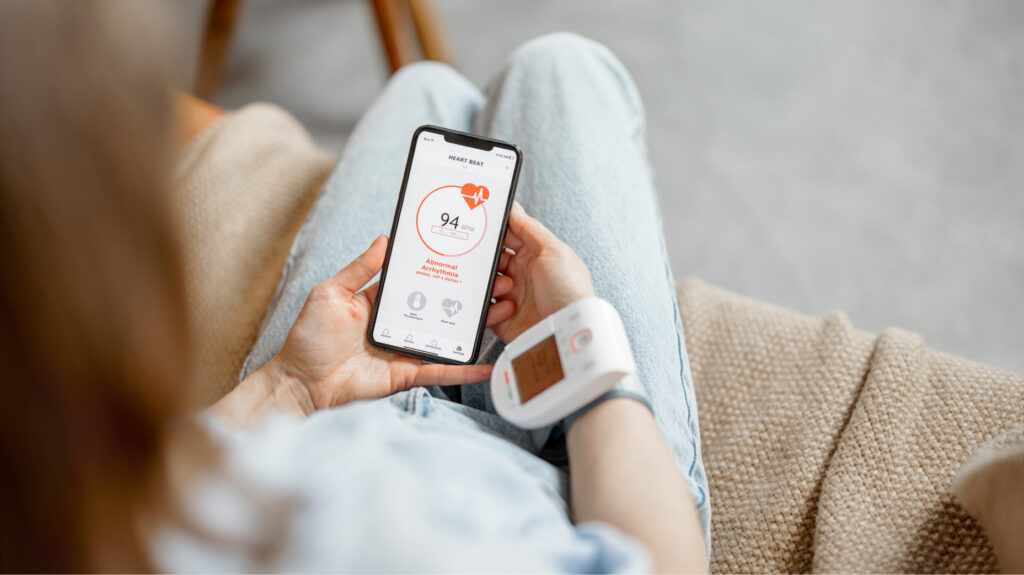
The conversation around mental health has never been more important than it is today. Millions of people around the world struggle with anxiety, depression, stress, and other mental health challenges that impact their personal and professional lives. While traditional therapy remains one of the most trusted forms of support, the digital age has introduced a new solution—AI therapy apps. These innovative platforms are powered by artificial intelligence in therapy, offering scalable and affordable mental health solutions for individuals everywhere. But the question remains: can these technologies truly improve mental well-being, or are they simply a temporary trend? In this in-depth blog, we’ll explore the rise of AI mental health apps, how they work, their benefits and challenges, and whether they might be the future of mental healthcare. Understanding the Rise of AI in Mental Health The global demand for mental health support has skyrocketed in recent years, driven by increasing stress levels, workplace pressure, social media influence, and global events such as the pandemic. Traditional therapy can be effective, but it’s also expensive, time-consuming, and often inaccessible to those in rural or underserved communities. This gap has opened the door for digital mental health tools that provide users with immediate access to coping strategies, guided exercises, and even conversational support. With technology advancing rapidly, AI-powered therapy has positioned itself as a cost-effective and scalable solution to address the mental health crisis. From online therapy apps to specialized mental health apps with AI, these tools are being hailed as the best AI therapy apps for individuals who may not have the resources or ability to seek conventional therapy. How Do AI Therapy Apps Work? At their core, AI therapy apps use artificial intelligence and machine learning algorithms to simulate interactions that resemble therapy sessions. They gather user input—whether through text, voice, or activity tracking—and use artificial intelligence in therapy to respond with tailored advice. Key features include: Unlike traditional therapy, online therapy apps can be accessed 24/7, providing on-demand mental health support that fits into users’ daily routines. Benefits of Mental Health Apps with AI The growing adoption of mental health apps with AI highlights several key advantages: 1. Accessibility and Affordability Traditional therapy sessions can cost anywhere from $100 to $300 per hour, making them financially burdensome. AI therapy apps are significantly cheaper—or in some cases, free. This affordability ensures that users from all backgrounds can access support. 2. Convenience and Flexibility Unlike scheduled appointments, AI mental health apps are available 24/7. Whether someone is dealing with insomnia at midnight or stress before an important meeting, digital mental health tools provide instant support. 3. Privacy and Reduced Stigma Many individuals avoid therapy due to stigma or fear of judgment. AI-powered therapy offers privacy, allowing users to express emotions freely without worrying about societal pressures. 4. Scalability One licensed therapist can only treat a limited number of patients. However, online therapy apps can serve millions simultaneously, making them some of the best AI therapy apps for addressing large-scale mental health crises. AI for Mental Health Support: A Deeper Look One of the most promising aspects of AI for mental health support is its ability to offer real-time interventions. For example, if a user types messages that indicate feelings of depression or anxiety, the system can immediately respond with coping strategies or direct them to crisis hotlines. Additionally, chatbots for mental health are increasingly sophisticated. They can detect emotional cues in text and adapt their tone, creating conversations that feel empathetic rather than robotic. Although not a replacement for human connection, they provide comfort to individuals who may otherwise feel isolated. At the same time, advances in mental health technology mean these apps are becoming smarter. Some use natural language processing to analyze conversations, while others integrate with wearable devices to monitor heart rate or sleep quality, giving a more holistic view of the user’s well-being. Comparing AI Therapy vs Traditional Therapy The debate around AI therapy vs traditional therapy is complex. Traditional therapy provides deep, human-to-human empathy that artificial intelligence cannot fully replicate. A trained therapist can pick up on non-verbal cues, body language, and subtle emotional shifts that AI counseling apps cannot yet detect. However, traditional therapy comes with limitations: high cost, limited availability, and long waiting times. This is where virtual therapy solutions become invaluable. Instead of replacing therapists, AI mental health apps serve as complementary tools. Early research on AI therapy effectiveness suggests that people using digital mental health tools experience reduced symptoms of anxiety and depression. Yet, experts stress that AI in mental healthcare should act as a first line of support, with serious cases still requiring licensed professionals. The Role of AI Counseling Apps in Daily Life For many, AI counseling apps are a daily companion. They provide guided meditation, stress-relief exercises, and motivational reminders. Users often treat them as “digital journals” that help track moods, identify triggers, and offer proactive suggestions. Some of the best AI therapy apps also integrate with lifestyle apps, allowing users to sync their sleep data, step counts, or diet habits. This creates a holistic approach, blending AI-powered therapy with overall wellness management. While self-help AI apps are not designed to handle emergencies, they can offer valuable day-to-day guidance, making them a practical resource for individuals looking to manage mental health consistently. Limitations of AI in Mental Healthcare Despite the excitement, AI in mental healthcare has clear limitations: Still, the mental wellness apps market continues to expand, signaling that demand outweighs skepticism. The Future of AI Therapy The trajectory for digital mental health tools looks promising. As artificial intelligence evolves, AI-powered therapy is expected to become more empathetic, intuitive, and accurate. Developers are working on advanced online therapy apps that incorporate voice recognition, facial expression analysis, and predictive algorithms to anticipate mental health needs. Moreover, governments and healthcare organizations are starting to recognize the role of mental health apps with AI in bridging accessibility gaps. In the near future, some of the best AI therapy apps may even become officially
Top 5 Nootropics to Boost Brain Health
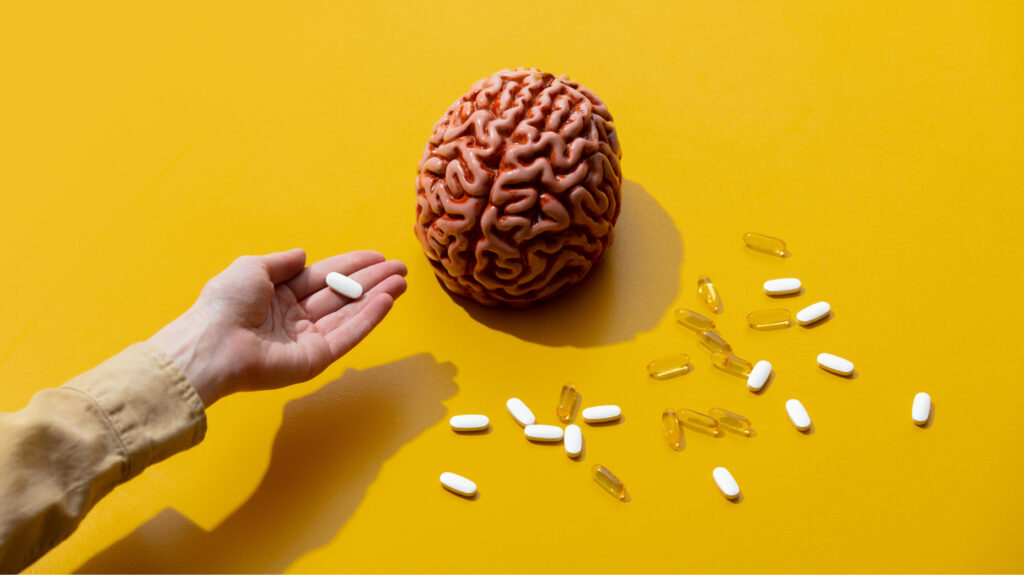
In today’s fast-paced world, mental sharpness is as essential as physical health. Whether you’re a student, professional, entrepreneur, or simply someone who values long-term cognitive wellness, enhancing your brain performance has become a top priority. This is where nootropics—often referred to as brain supplements—come into play. From cognitive enhancers that improve focus to brain-boosting supplements that support memory and learning, these products can give your mental performance the edge it needs. The goal of this guide is to explore the best nootropics for brain health and break down the top five options that can help you improve focus, memory, and overall cognitive function. We’ll also discuss how nootropics for memory improvement, natural brain health supplements, and smart drugs for focus work, along with the science behind nootropics for mental clarity and brain health supplements. What Are Nootropics? Nootropics are substances that may enhance brain performance, often referred to as cognitive enhancers or brain-boosting supplements. They can be natural compounds, like herbs and plant extracts, or synthetic formulations created in laboratories. The term “nootropic” was coined in the 1970s and has grown in popularity as research into brain health continues to expand. Best nootropics for brain health aren’t just for short-term performance boosts—they also help with long-term mental resilience. These supplements can aid in focus, mental energy, and memory retention. Some are considered natural brain health supplements, while others fall under the category of smart drugs for focus designed for more immediate effects. How Nootropics Work Nootropics work in several ways depending on their type. They may: By combining the right brain health supplements, you can enhance mental clarity, focus, and cognitive longevity. In particular, nootropics for memory improvement often target specific brain pathways that deal with storing and retrieving information. Factors to Consider Before Choosing a Nootropic Before jumping into the best nootropics for brain health, consider: Top 5 Nootropics to Boost Brain Health Below are five of the most effective brain-boosting supplements supported by science. 1. Bacopa Monnieri Bacopa Monnieri is a traditional Ayurvedic herb known for its role in nootropics for memory improvement. It has been studied for its ability to enhance recall and learning speed, making it a favorite among brain health supplements. How It Works: Benefits: When combined with other natural brain health supplements, Bacopa provides a well-rounded mental performance boost without the jitters sometimes associated with synthetic smart drugs for focus. 2. L-Theanine & Caffeine Stack The combination of L-Theanine (found in green tea) and caffeine is one of the most popular nootropics for mental clarity. It balances stimulation and relaxation, offering a smooth focus boost. How It Works: Benefits: This stack is simple yet effective, making it a staple for people looking for quick cognitive enhancers. 3. Lion’s Mane Mushroom Lion’s Mane is a natural mushroom extract celebrated as one of the most powerful natural brain health supplements. How It Works: Benefits: This supplement shines for those looking for brain health supplements that work over time rather than instant performance boosters. 4. Omega-3 Fatty Acids Omega-3s (EPA and DHA) are essential fatty acids found in fish oil and algae supplements. They are foundational brain-boosting supplements for both young and aging brains. How It Works: Benefits: Omega-3s pair well with herbal brain boosters like Ginkgo Biloba for a more comprehensive cognitive plan. 5. Rhodiola Rosea This adaptogenic herb is known for its ability to fight fatigue and improve mental resilience, making it a popular smart drug for focus alternative. How It Works: Benefits: Additional Brain-Boosting Strategies While nootropics for mental clarity are powerful tools, they work best when combined with healthy lifestyle choices: Potential Side Effects and Safety Most natural brain health supplements are safe when taken correctly, but smart drugs for focus and synthetic compounds can sometimes cause: Always consult a healthcare professional before starting new brain health supplements, especially if combining multiple nootropics for memory improvement. Final Thoughts Incorporating the best nootropics for brain health into your daily routine can provide a significant edge in focus, learning, and mental resilience. Whether you’re using cognitive enhancers like Bacopa, brain-boosting supplements like Omega-3s, or nootropics for mental clarity such as the L-Theanine & Caffeine stack, the key is consistency and quality. Remember, natural brain health supplements often provide sustainable, long-term benefits, while smart drugs for focus can give you short-term boosts when you need them most. By combining nootropics for memory improvement with lifestyle habits, you’re setting yourself up for a sharper, healthier mind in the years to come. Explore More Stories That Inspire At LapaStory, we bring you engaging articles on travel, lifestyle, technology, wellness, business, and more. Whether you’re seeking tips, trends, or fresh perspectives, there’s always something new to discover. 👉 Get in touch with us today and let’s connect.